March 6, 1948
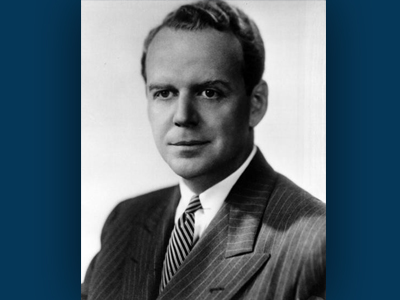
In the first of two detailed memoranda to President Harry Truman, special presidential counsel Clark Clifford emphatically favors both the partition of Palestine and the lifting of an arms embargo imposed on Jewish forces in Palestine. Clifford places himself in direct opposition to the staunch views of the State Department, particularly Loy Henderson and George Kennan in the Policy Planning Branch and Secretary of State George Marshall.
Clifford’s short memorandum March 6 is followed by a more lengthy dispatch two days later. Together, they are the most forceful pro-Zionist statements by a Truman administration official in the months between the vote on partition in November 1947 and Israel’s Declaration of Independence on May 14, 1948.
Clifford does not want the United States to waver from the partition resolution calling for the division of Mandatory Palestine into Arab and Jewish states, with an economic union and a special international regime for Jerusalem. Partition, he argues, is the only course of action to strengthen America’s position in the region vis-a-vis the Soviet Union. He says, “Jettisoning of the United Nations [vote] would be calamitous to American morale.”
Clifford tells Truman he thoroughly opposes all acts of appeasement toward the Arabs, particularly the Arab desire to have the United States delay the implementation of partition. “Shipments of arms should be freely allowed. … This will give the Jewish militia and Hagana, which are striving to implement the UN decision, equal opportunity with the Arabs to arm for self-defense.”
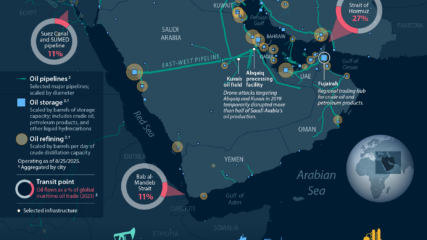
Among other points, Clifford argues “that our Arabian oil supplies will not be imperiled if we support the Assembly’s resolution. The fact of the matter is that the Arab states must have oil royalties or go broke. …Political and economic self-preservation will compel the Arabs to sell their oil to the United States.”
Truman does not back away from supporting partition and Israel’s independence, and Clifford’s forceful views help him withstand State Department pressure.