Israel’s democratic origins can be found in the Jewish communal existence that evolved over centuries of self-rule as a minority. Wherever Jews lived, they educated their own, taxed themselves, lobbied for communal interests and kept close tabs on opponents who might threaten the common well-being. Before the State of Israel, Zionists elected a self-governing assembly with universal suffrage and encouraged Jews in the Diaspora to voice their opinions to the Jewish Agency in Palestine.
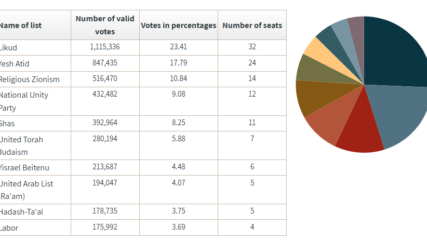
The 1948 Declaration of Independence outlines Israel’s parliamentary democracy, with the 120-member Knesset as the supreme political institution. Israelis vote for parties, not individuals, with elections required at least every four years. Every Israeli government has been a coalition because no party has won a majority. Instead of a constitution, Israel has 14 Basic Laws interpreted by a powerful Supreme Court. Israel’s president largely has ceremonial duties.
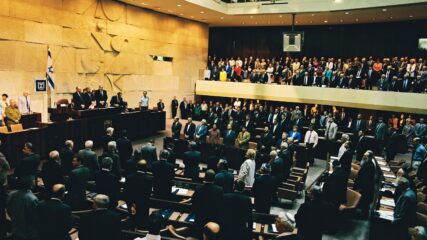
Jewish-majority self-rule existed in Eretz Yisrael during the First and Second Jewish Commonwealths, 1020 to 586 B.C.E. and 538 B.C.E. to 70 C.E., respectively. Then living for centuries as minorities throughout Europe, the Middle East…
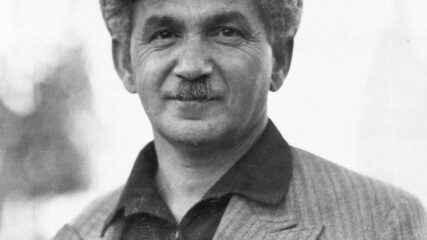
Belarus-born Katznelson co-founded the Histadrut labor federation and advocated for labor unity to uplift Jewish workers and small landholders. Immigrating to the Land of Israel in 1909, Katznelson became involved in labor councils. He helped…

A journalist born in Odesa, Jabotinsky organized self-defense units and fought for Jewish rights in Russia. He attended most Zionist Congresses from 1903 to 1933. He co-founded the Zion Mule Corps in World War I….

Born in Belarus, Golomb settled in Palestine in 1909 and was part of the Herzliya Gymnasium’s first graduating class. A member of the Jewish Legion in World War I, he helped organize the Haganah and…
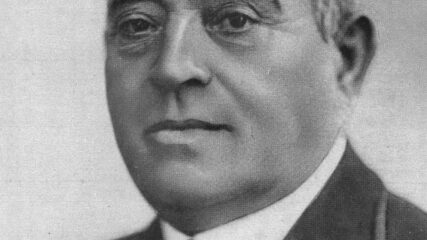
A native of what is now Moldova, Dizengoff became a leader with Hovevei Zion (Lovers of Zion) in Russia. He moved to Palestine in 1893 and managed a glass factory. He opposed the Uganda Plan…
Our Israel On Board video explains how the electoral system in Israel works. The video highlights the voting process, explains proportional representation and the electoral threshold, and describes why there are so many different parties.
An Israeli election is just the first part of the process to decide who will lead the country. Our Israel On Board video explains what happens next and how the country’s government is formed.
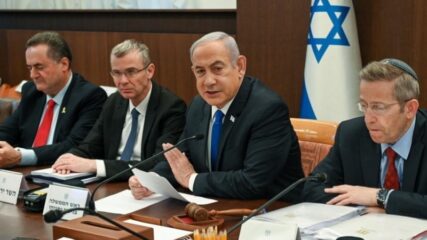
Facing a tough election in less than three months, Benjamin Netanyahu appeared to prioritize Israeli public opinion over pleasing ally Donald Trump in rejecting the latest implementation plan for the Gaza ceasefire.
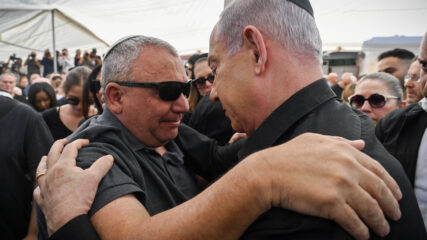
Three months from the 26th Knesset election, polling shows the anti-Netanyahu bloc on the cusp of enough votes to form a coalition without the Arab parties.
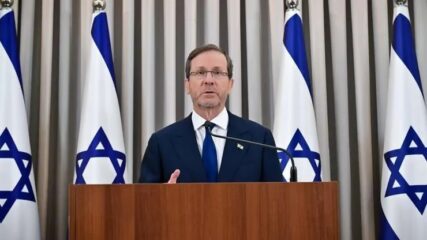
July 21, 2026 Source: https://www.timesofisrael.com/full-text-of-president-herzogs-speech-calling-for-unity-ahead-of-elections/ Introduction Invoking the memory of Jewish infighting as a critical factor in the destruction of the Jewish Temples in 586 B.C.E. and 70 C.E., Israeli President Isaac Herzog — on…
CIE President Ken Stein speaks with the Atlanta Jewish Times in advance of the October 2026 election about differences between the U.S. and Israeli electoral systems.
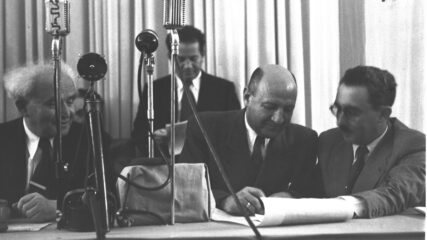
The Israeli Declaration of Independence was crafted in the final month before independence but reflects a thoughtful approach to citizens, neighbors and American precedents.
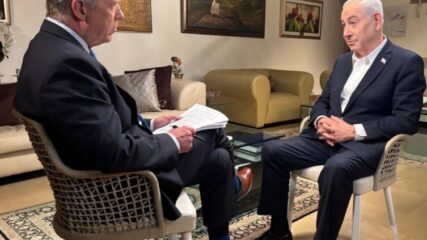
Prime Minister Netanyahu uses the opportunity of an extensive prime-time U.S. interview to promote himself as the defender of a stronger-than-ever Israel, explain the war against Iran and insist on the necessity of removing the Hezbollah threat from Lebanon.
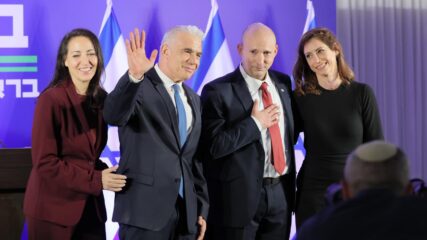
Former Israeli Prime Ministers Naftali Bennett and Yair Lapid, who formed a governing coalition after running separate electoral lists in 2021, put aside their differences in 2026 in their shared quest to unseat Benjamin Netanyahu.

Israeli Prime Minister Benjamin Netanyahu highlights strategic if incomplete achievements in wars fought since October 2023 while working to solidify his political support before fall elections.
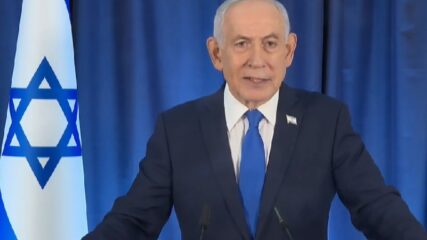
Almost two weeks into the U.S.-Israel war against Iran, Prime Minister Netanyahu addresses the country to explain what has been achieved and what remains to be done.
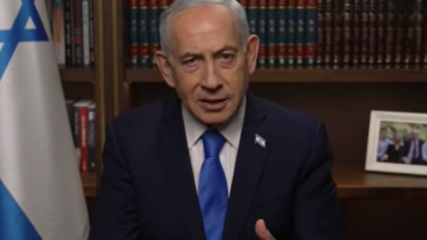
Prime Minister Benjamin Netanyahu announces Operation Roaring Lion and briefly explains why Israel, with U.S. help, has attacked the nuclear and ballistic missile capabilities of Iran. He also encourages the Iranian people to topple their regime.
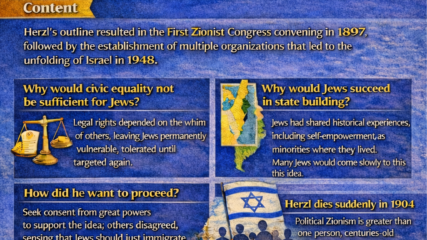
Nine questions guide key understandings about Theodor Herzl’s “The Jewish State.”
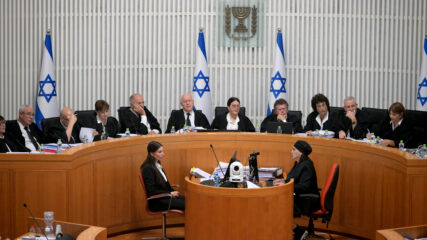
Three years after the Israeli government began the process to overhaul the judiciary, and after two years of war delayed efforts, the drive to rein in judicial independence continues.
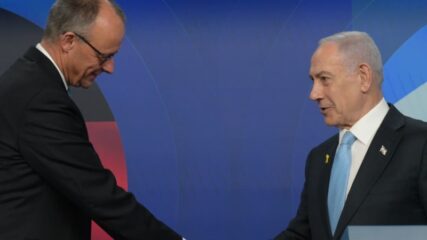
Chancellor Merz’s visit coincides with Germany signing the largest Israeli military arms export agreement, covering the Arrow 3, and his support of a two-state solution to the Palestinian-Israeli conflict. Netanyahu recalls centuries of efforts to annihilate Jews, including those in Germany and by Hamas, and says Israel will not give up military control of West Bank land.
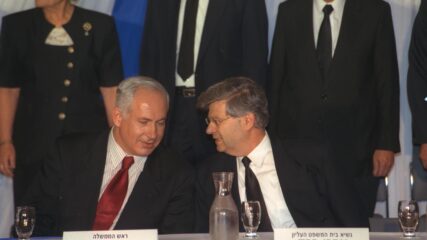
Former Supreme Court President Aharon Barak makes the case against the Netanyahu government’s efforts to overhaul the judiciary, arguing that Israeli democracy requires judicial independence and protection for minority rights.
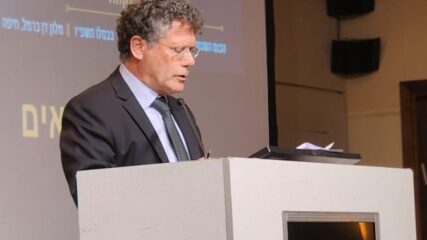
Supreme Court President Yitzhak Amit warns about the danger to the Israeli public and democracy of sustained political attacks on the judiciary and individual judges.
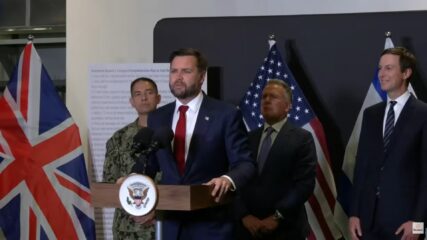
Visiting Israel, U.S. Vice President JD Vance expresses optimism about the rocky Hamas-Israel ceasefire and broader hopes for Middle East peace while refusing to set deadlines for Hamas to disarm or return all hostage bodies.
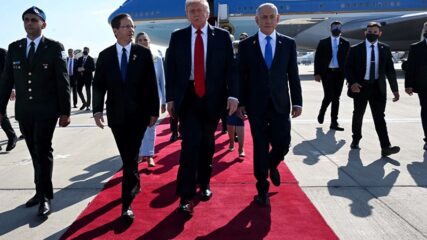
Donald Trump takes a victory lap and lays out short- and long-term visions for Gaza, Israel and the Middle East while becoming the fourth U.S. president to address the Knesset.
Page: 1 of 20 1 2 3 ...
20

