Culminating decades of private cooperation, Israel signed the Abraham Accords with the UAE and Bahrain. Neither Arab country sat on Israel’s border; both, like Israel, feared Iran’s toxic anti-establishment ideologies. Bahrain and the UAE agreed to recognize Israel without extracting any firm promise of Palestinian self-determination. The reality was that national interests took precedent over waiting for the Palestinians to generate the self-empowerment to speak for themselves. Sudan and Morocco joined the accords and recognized Israel by the end of 2020. As had unfolded earlier, the United States played a significant role in seeing the Abraham Accords evolve, this time under President Donald Trump.
Hamas and Israel fought again in May 2021 but for the first time in Hamas’ effort to represent itself as the guardian of Arabs in Jerusalem. Then, on October 7, 2023, Hamas invaded Israel, killing 1,200 people and taking 251 hostages back to Gaza. Some of the hostages, alive or dead, were held for more than two years. Stunned by the attack, Israel showed resilience and ultimately decimated the leadership of Hamas and of its Lebanese ally, Hezbollah. The Hamas-Israel war ended in a ceasefire in October 2025, again with the U.S. playing the key role. Hamas and Israel each controlled about half of the Gaza Strip. The Palestinian Arab political community appeared as dysfunctional and divided as it had ever been, going back to the 1920s, according to Palestinian and other Arab analysts.
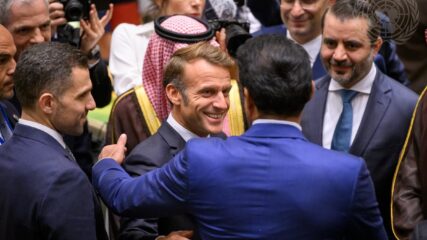
President Macron’s speech links the end of Hamas-Israeli conflict to the evolution of a of two-state solution. He acknowledges that Israel has the power to end the war and evolve a Palestinian state, asserting that if Israel does neither to the satisfaction of France and her European partners, Israel could pay an undisclosed price. He offers no such penalties to be placed on the PA for its failure to meet its commitments. Once again the Palestinian Arab national movement uses the international community to pressure Israel into concessions. On the same day, Israeli
Prime Minister Netanyahu emphatically rejects the establishment of a Palestinian state west of the Jordan River. The Israeli
parliament in June 2004 rejected any unilateral recognition of a Palestinian state by a 68-9 vote.
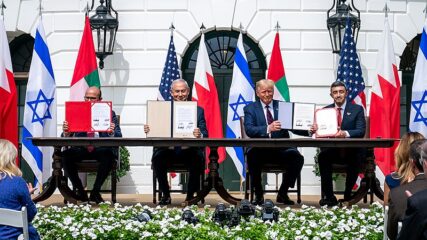
Quietly pursued in the past, long-standing strategic ties between Israel and Gulf states have become public. Building on the historic Joint Agreement signed between Israel and the UAE in August 2020, the Abraham Accords serve as a framework for normalizing diplomatic relations between Israel, the UAE and Bahrain.
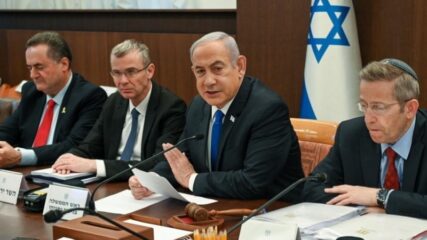
Facing a tough election in less than three months, Benjamin Netanyahu appeared to prioritize Israeli public opinion over pleasing ally Donald Trump in rejecting the latest implementation plan for the Gaza ceasefire.

Three powerful Muslim countries agreed to a still-vague mutual defense pact both to constrain Iran and to increase their strategic flexibility amid regional changes and U.S. concerns.
July 30, 2026 Source: https://x.com/BoardOfPeace/status/2083593633698394592 Introduction President Donald Trump and his Board of Peace announced “a historic breakthrough” July 30, 2026, on a roadmap for the full implementation of the 20-point ceasefire plan unveiled in…

Updated July 10, 2026; originally posted October 2023. By Ken Stein Hamas’ Origins The 1988 Hamas Charter and remarks by its leaders and other publications express hatred of Zionism, Israel and Jews. It is thus unmistakable that Hamas…
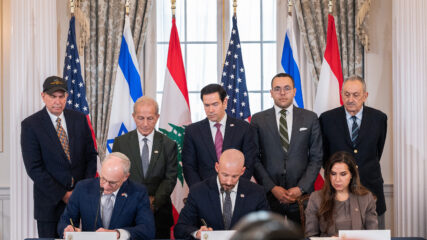
A U.S.-mediated agreement between Israel and Lebanon provides a comprehensive path, through bilateral negotiations, for peace, full sovereignty and mutual recognition.
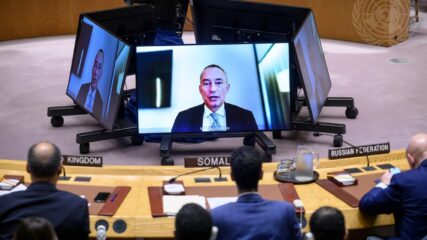
The Board of Peace’s high commissioner for Gaza presents and explains the 15-point plan to fully implement the 20-point ceasefire and reconstruction plan for the Strip.
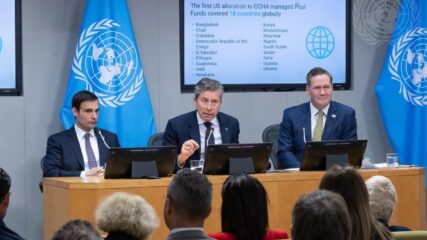
In its first progress report on the implementation of the Gaza ceasefire and recovery efforts, the Board of Peace cites several successes but comes back to the perpetual problem of heavily armed Hamas.
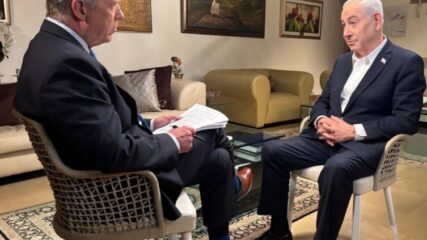
Prime Minister Netanyahu uses the opportunity of an extensive prime-time U.S. interview to promote himself as the defender of a stronger-than-ever Israel, explain the war against Iran and insist on the necessity of removing the Hezbollah threat from Lebanon.

Israeli Prime Minister Benjamin Netanyahu highlights strategic if incomplete achievements in wars fought since October 2023 while working to solidify his political support before fall elections.
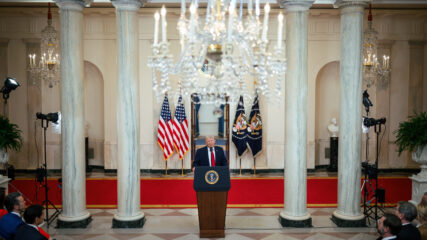
President Trump’s speech a month into the war makes the case for Iran as a longtime U.S. enemy and argues that the war has largely succeeded and will soon be over.
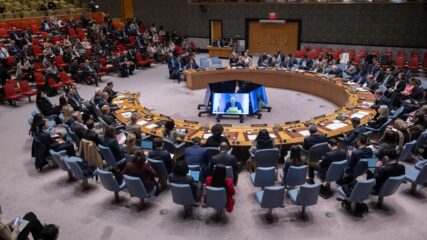
Nickolay Mladenov, the Trump-led Board of Peace’s high representative for Gaza, explains the progress made toward Phase 2 of the ceasefire and the necessity for Hamas’ disarmament and immediate housing and increased aid for Gazans.

Washington Institute Senior Fellow Michael Eisenstadt speaks about the regional effects of the 2023-2025 Hamas-Israel war and the ongoing U.S.-Israel-Iran war in March 2026.
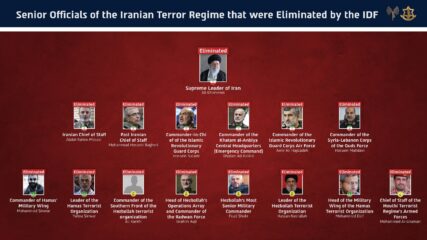
While too much is unknown after a week of fighting to make definitive statements about the war, certain possible outcomes can be explored.
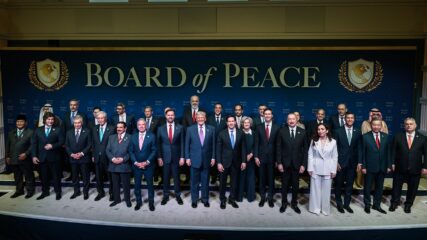
The first meeting of the Board of Peace convened under the Trump ceasefire for Gaza offers grand plans for reconstruction and a vibrant, peaceful future for Palestinians but depends on the disarmament of Hamas.

CIE President Ken Stein addresses what is and what is not known about why Hamas attacked October 7, 2023, why Israel was caught off guard, and what happens after the war across the region.
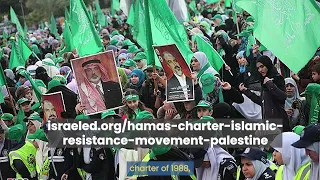
CIE President Ken Stein briefly reviews the 2023-2025 Hamas-Israel war and examines the short- and long-term consequences.
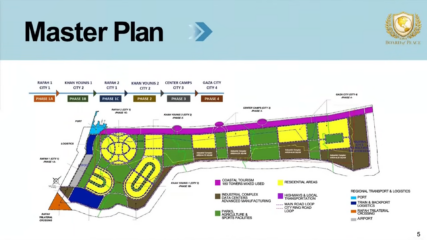
While the Palestinian official leading the technocratic Gaza administration promises to open the Rafah Crossing and the Bulgarian high commissioner for Gaza urges the world to focus on the big picture, U.S. envoy Jared Kushner lays out a vision for Gaza as a rapid, phased real estate redevelopment.

The Trump administration’s proposed charter for the Board of Peace, the body the United Nations has charged with overseeing the Gaza ceasefire, does not mention Gaza or any other specific location of operation but does grant its chairman, Donald Trump, extensive control over its mission and operations.

In their fifth U.S. meeting of 2025, President Trump and Prime Minister Netanyahu show unity on Gaza, Hamas, Iran and their mutual appreciation for each other but offer glimpses of differences on Turkey, Syria and the West Bank.
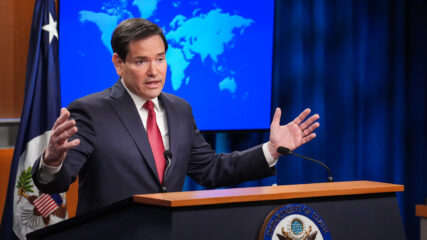
Secretary of State Marco Rubio explains the urgent need to establish the Board of Peace and the International Stabilization Force for Gaza to move from Phase 1 to Phase 2 in the ceasefire, but he also warns that the work likely will last longer than the Trump administration.
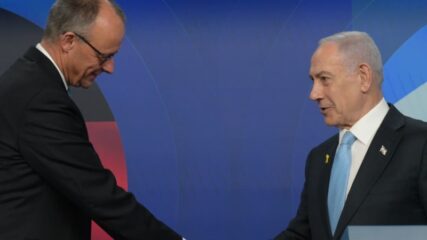
Chancellor Merz’s visit coincides with Germany signing the largest Israeli military arms export agreement, covering the Arrow 3, and his support of a two-state solution to the Palestinian-Israeli conflict. Netanyahu recalls centuries of efforts to annihilate Jews, including those in Germany and by Hamas, and says Israel will not give up military control of West Bank land.
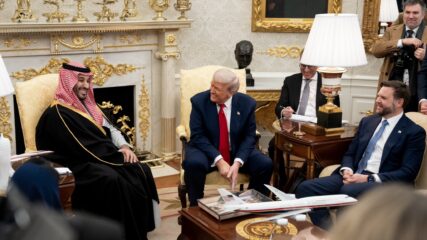
Prince Mohammed bin Salman and President Donald Trump continued a decades-long process of strengthening Saudi-U.S. ties during a White House meeting that put Saudi security and investment ahead of the Abraham Accords.

