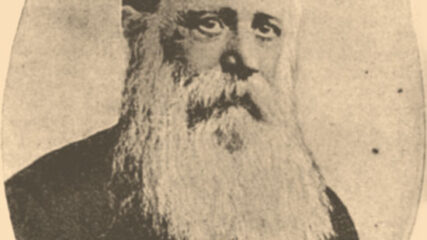
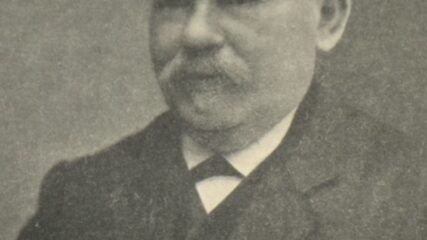
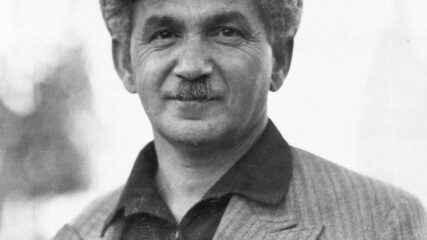
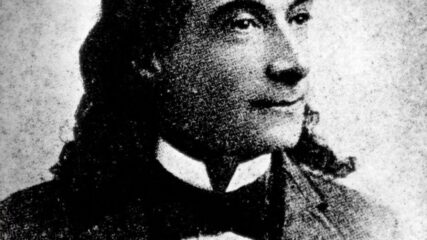
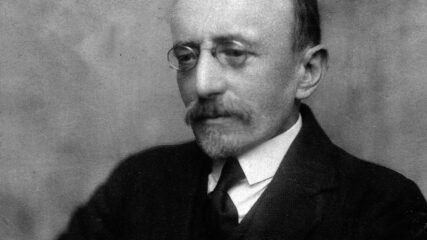
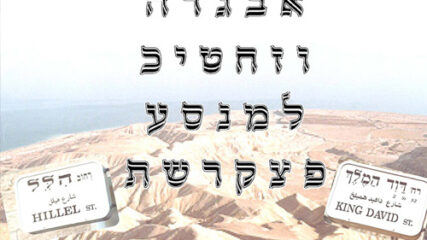
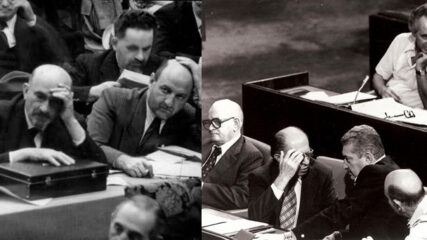
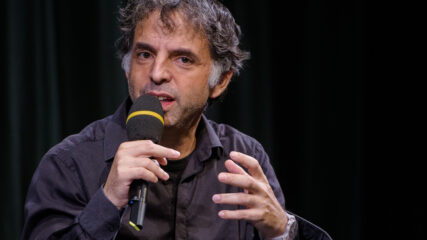
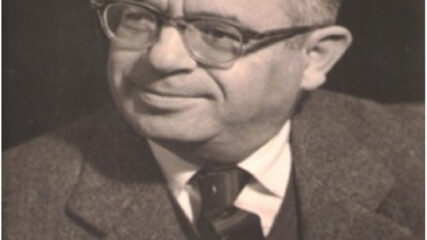
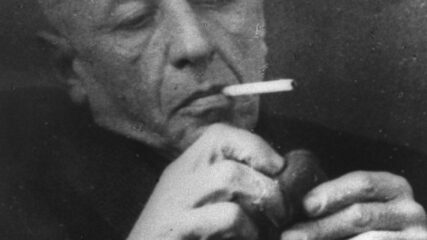
While the Hebrew language was revived and modernized for everyday use by Eliezer Ben Yehuda and others at the end of the 19th century, it has unified Jews for centuries.
In the Diaspora, most of the world’s Jews replaced Hebrew as their spoken language. Living among or alongside other nations, Jews either adopted the local vernacular or created a language by fusing the local tongue with elements of Hebrew (Yiddish and Ladino, for example).
After the destruction of the Second Temple in 70 C.E. and the resulting growth of the Jewish Diaspora, an entire body of Hebrew literature expressed a yearning for Jews to return to the Land of Israel. Examples are found in many of the prayers used in the daily Jewish service.
In more recent years, especially after the birth of the State of Israel and the revival of Hebrew into a modern, spoken language, a wide variety of poets, novelists and other writers have contributed to the ever-expanding canon of Hebrew literature. Unlike the yearning to return to the Land of Israel expressed by early Hebrew writers, Hebrew literature has become representative of a wide variety of themes and motifs relating to Jewish and Israeli life.