Renowned philosopher Martin Buber is born in Vienna. Buber emigrates to Jerusalem in 1938.
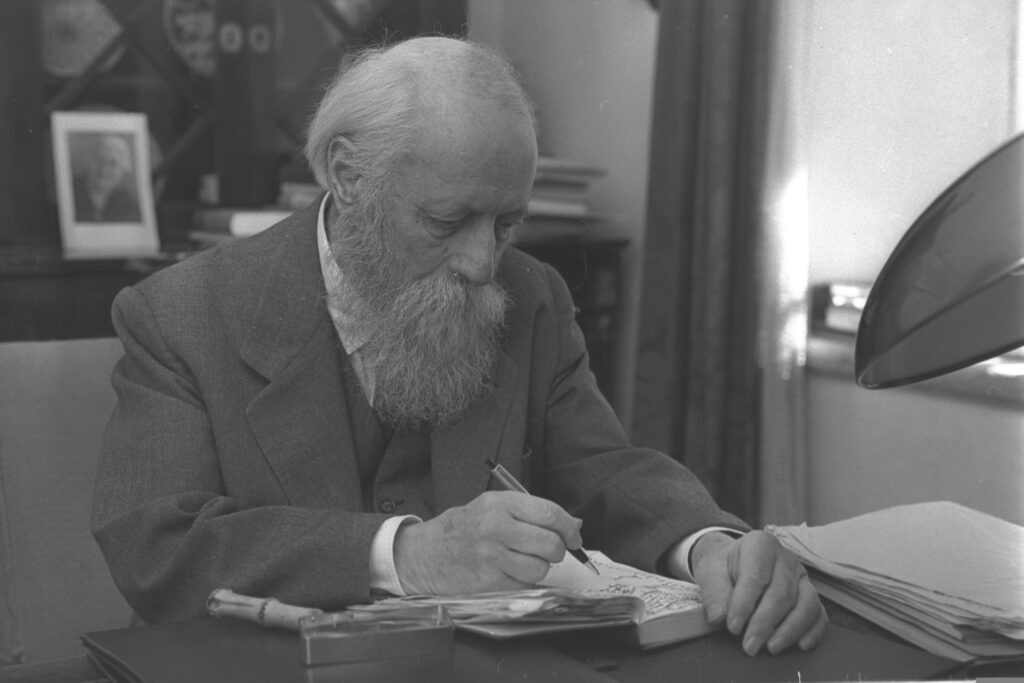

Renowned philosopher Martin Buber is born in Vienna. Buber emigrates to Jerusalem in 1938.
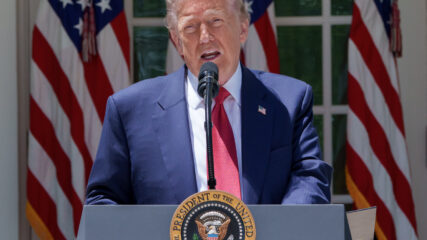
The success or failure of 2026 U.S.-Iran negotiations may be judged by the elements President Trump listed in 2018.
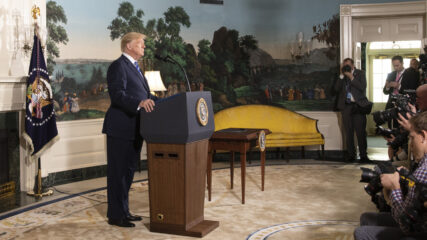
President Trump in 2018 enumerates the behaviors Iran must change to enter a deal replacing the JPOA and thus creates a basis for judging his own negotiations with Tehran.

Antony Blinken pleads with Congress not to expand sanctions on Iran amid negotiations to contain Tehran’s nuclear program.

The Board of Peace’s high commissioner for Gaza presents and explains the 15-point plan to fully implement the 20-point ceasefire and reconstruction plan for the Strip.

In its first progress report on the implementation of the Gaza ceasefire and recovery efforts, the Board of Peace cites several successes but comes back to the perpetual problem of heavily armed Hamas.
May 29, 2026 Compiled by Maya Rezak and Ken Stein Ariel Admoni, “The Crisis That Wasn’t: Qatar-Hamas Ties in the Shadow of the War With Iran,” Jerusalem Institute for Strategy and Security, May 20, 2026….
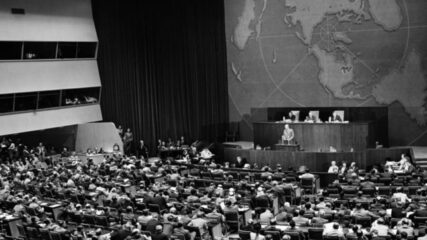
Update June 9, 2026; originally posted June 2021. Compiled by Dr. Ken Stein, CIE President, June 9, 2026 These sources and references unfold the history of the Jewish state through 1949, from state-seeking to state-making…
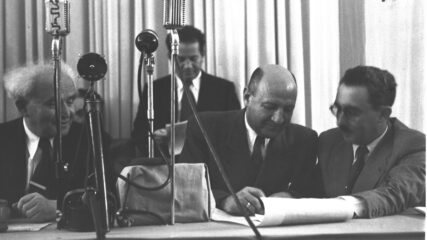
The Israeli Declaration of Independence was crafted in the final month before independence but reflects a thoughtful approach to citizens, neighbors and American precedents.
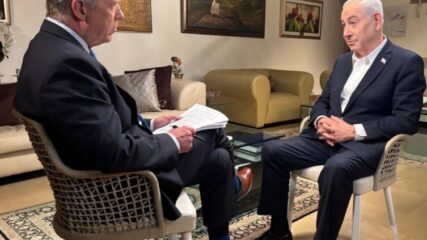
Prime Minister Netanyahu uses the opportunity of an extensive prime-time U.S. interview to promote himself as the defender of a stronger-than-ever Israel, explain the war against Iran and insist on the necessity of removing the Hezbollah threat from Lebanon.
