Awarded the Israel Prize in 1980, modern Israeli historian Katz was a leading figure in Jewish social studies as a Hebrew University professor. He used rabbinical sources for books such as 1970’s “Freemasons and Jews”...
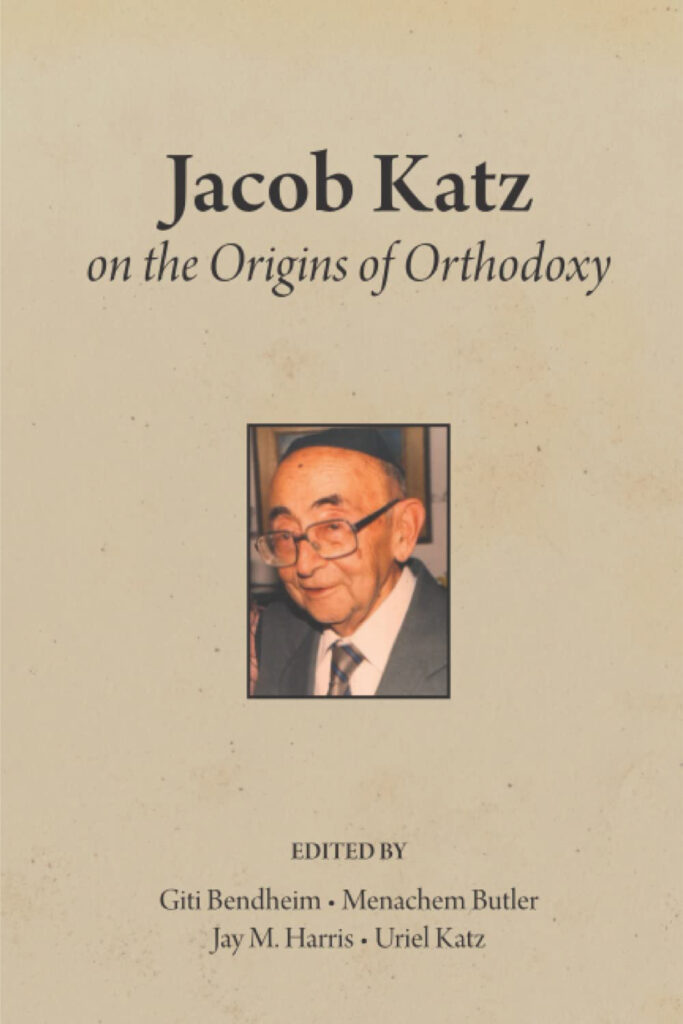

Awarded the Israel Prize in 1980, modern Israeli historian Katz was a leading figure in Jewish social studies as a Hebrew University professor. He used rabbinical sources for books such as 1970’s “Freemasons and Jews”...
Iran’s move to assert sovereignty over the Strait of Hormuz has short- and long-term implications for the Islamic regime and the world economy.
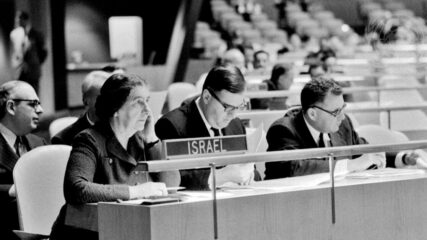
Golda Meir tells the U.N. General Assembly that Israel will comply with demands that it withdraw to the 1949 armistice lines with Egypt, but it expects U.N. support to keep the Straits of Tiran open.
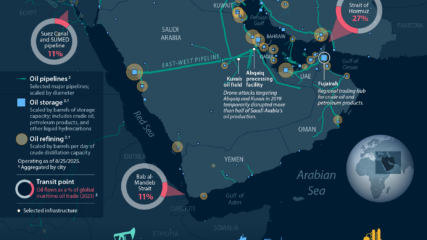
The Congressional Research Service shows where Middle Eastern oil is produced, refined, and shipped or piped.
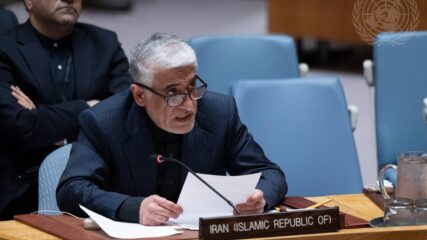
The U.N. Security Council, on a 13-0 vote with two abstentions and with 135 co-sponsors from U.N. member states, enacts a resolution condemning Iran’s airstrikes on Arab states and its threat to the Strait of Hormuz.
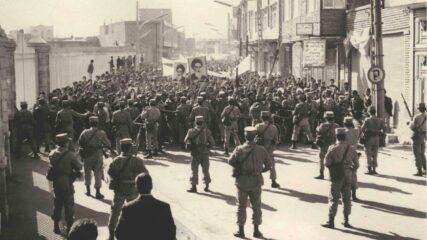
For those looking for the best reads and watches on Iran and its relations with Israel, the United States and the Jewish people, CIE has compiled analyses, videos, documents and books.
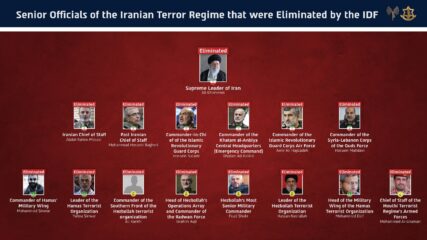
While too much is unknown after a week of fighting to make definitive statements about the war, certain possible outcomes can be explored.
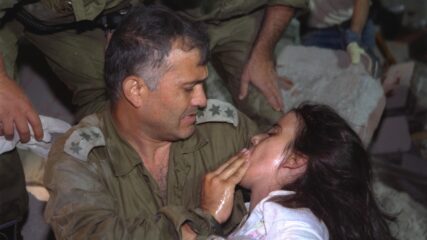
Turkish-Israeli relations have swung between friendship and hostility since Turkey became the first Muslim-majority country to recognize Israel in 1949.
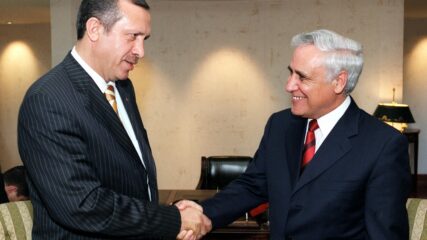
A collection of books and articles providing insights into the history and current situation of Turkey and its relations with Israel.

Maya Rezak and Ken Stein, February 27, 2026 Hussain Abdul-Hussain, “Why Saudi Arabia is Turning Back to Islamism – and Against Israel,” Foundation for the Defense of Democracies, February 6, 2026. Al-Arabiya, (editorial) “The Crisis…
