January 22, 2013
After the October 2012 dissolution of the Knesset because of an impasse over the state budget, an early Knesset election is held. Prime Minister Benjamin Netanyahu scheduled the election at a time when he enjoyed high approval ratings in the hope of an easy victory for Likud and his policies, including his aggressive activism against the Iranian nuclear threat.
The election, however, does not follow the script expected when the vote was announced in October, largely because of two events. First, Likud runs on a single list with the more right-wing Yisrael Beiteinu party, led by Foreign Minister Avigdor Liberman. The combined list alienates some of Likud’s more religious supporters because of Yisrael Beiteinu’s commitment to secularism, and some of the Russian immigrants who form Yisrael Beiteinu’s base worry that Likud will ignore their issues. Second, former journalist Yair Lapid forms a center-left party, Yesh Atid, which appeals to younger voters by focusing on social and economic issues.
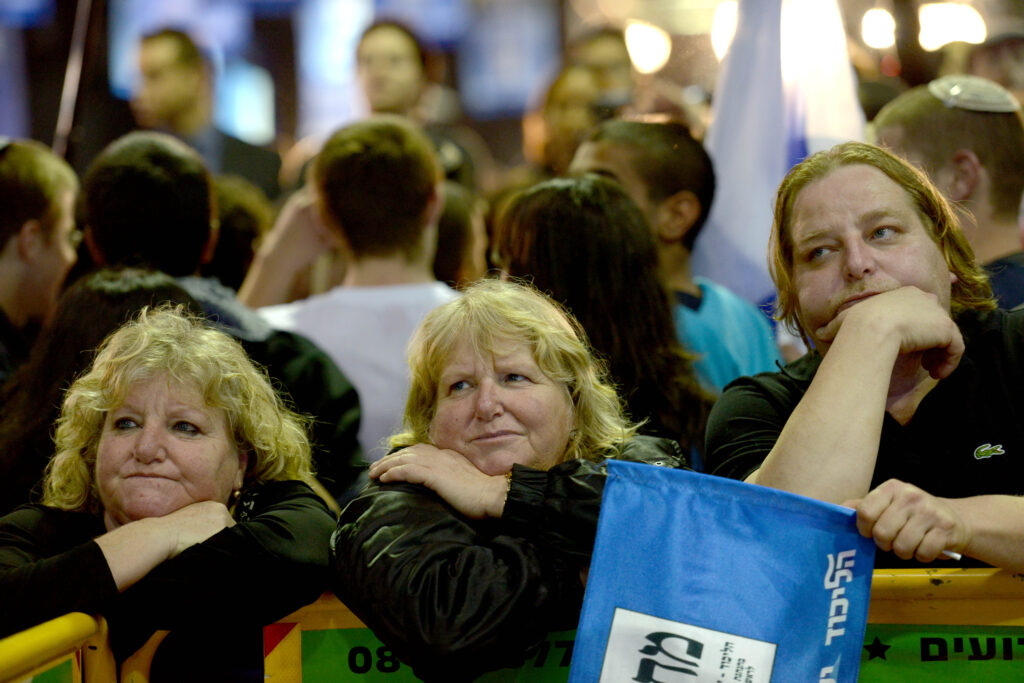
The Likud-Yisrael Beiteinu combination wins 31 of the 120 seats, down from its combined representation of 42 seats in the18th Knesset.
The election, while still a victory for Netanyahu, results in fewer seats for right-wing and religious parties, while Yesh Atid wins 19 seats. Netanyahu needs eight weeks to craft a coalition, forming the 33rd government in March.
Voter turnout is 67.8%, better than the previous two Knesset elections but far below the nearly 80% of the 1999 election. The 19th Knesset has 54 new members, 48 of whom are elected for the first time, including all 19 Yesh Atid members. A record 27 women are elected. Though the ultra-Orthodox parties are excluded from the new government, nearly one-third of the Knesset members are religious.