Dayan and Tuhami Engage in Secret Talks CIE+ members only
Israeli Foreign Minister Moshe Dayan conducts secret talks with Egyptian Deputy Prime Minister Hassan Tuhami in Morocco.

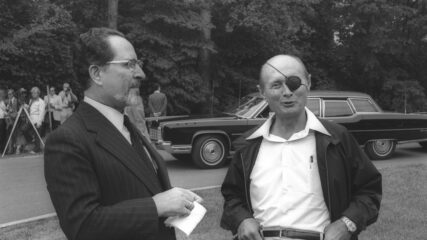
Israeli Foreign Minister Moshe Dayan conducts secret talks with Egyptian Deputy Prime Minister Hassan Tuhami in Morocco.
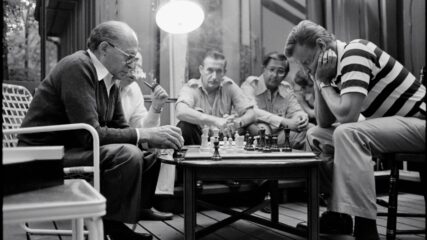
Zgibniew Brzezinski, President Carter’s National Security Adviser, wrote a memorandum redefining the Carter administration’s position on resolving the Arab-Israeli conflict, and advocating for a Palestinian homeland.
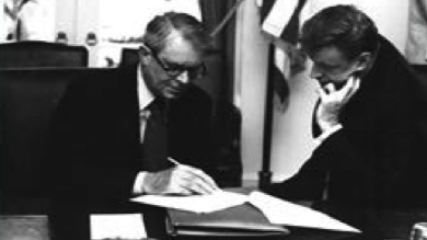
Five major points regarding Israel were made at the White House Middle East Policy review meeting on April 19, 1977.

Maccabi Tel Aviv defeats Mobilgirgi Varese 78-77 to win its first Euro-League basketball championship.
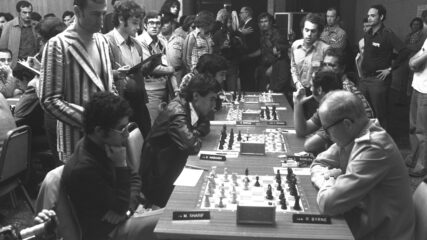
Israeli Prime Minister Yitzhak Rabin and the president of the International Chess Federation, Max Euwe, open the 22nd men’s and seventh women’s Chess Olympiad in Haifa despite opposition from many FIDE (Fédération Internationale des Échecs) member nations and a boycott led by the favored Soviet Union.
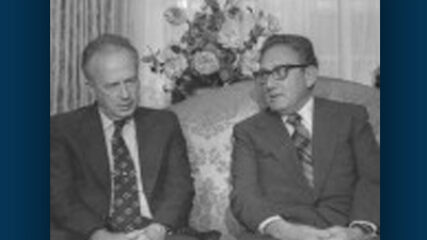
In a Paris meeting, United States Secretary of State Henry Kissinger tells Foreign Minister Hammadi that the United States would not negotiate Israel’s existence but could “reduce its size to historical proportions.”
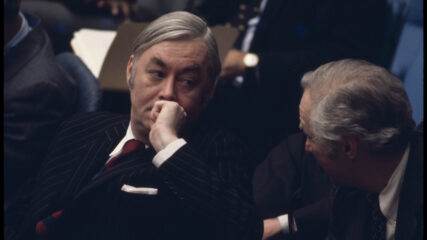
The United Nations passes UN Resolution 3379, which defines Zionism as a form of racism and racial discrimination. It passes with a vote of 72 in favor, 35 against, and 32 abstentions.
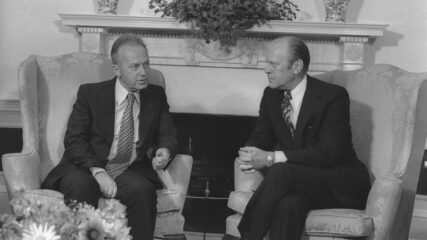
After a breakdown in diplomatic talks between Gerald Ford and Yitzhak Rabin, 76 senators sign a letter to the president stressing the importance of both military and economic assistance to Israel.
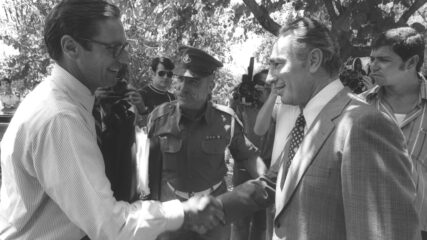
A wide-ranging agreement on expanded economic cooperation provides short term relief to Israel’s struggling economy.
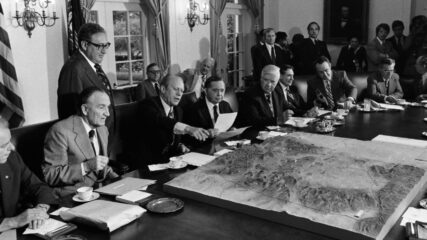
The US undertakes a “reassessment” of the Washington-Israel relationship, creating enormous tension between the US executive branch and the Israeli government.

Former Egyptian Olympic fencer and leader of the Cairo Jewish community, Salvator Cicurel passes away.
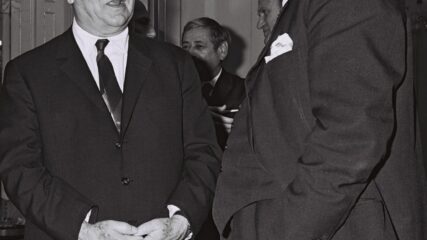
Richard Crossman, who supported Zionist efforts while serving on the Anglo-American Commission of Inquiry, passes away at his home in England from liver cancer.

March 18, 1974 The Organization of Petroleum Exporting Countries, led by Arab oil producers, lifts the oil embargo it had placed on the United States for resupplying Israel during the Yom Kippur War. OPEC also…
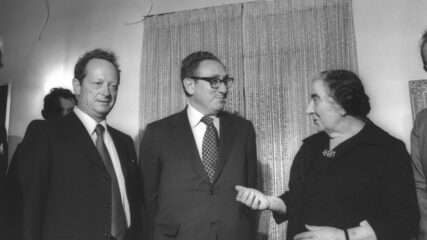
February 27, 1974 U.S. Secretary of State Henry Kissinger arrives in Tel Aviv from Damascus with a list of 65 Israeli prisoners held by Syria since the Yom Kippur War in October 1973, along with…
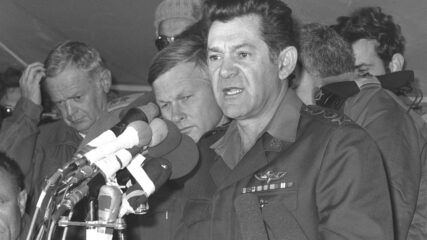
With U.S. assurances, Israel and Egypt agree to a buffer zone between their forces in the Sinai, moving toward what both sides wanted: the return of the peninsula for Egypt, peaceful relations for Israel.
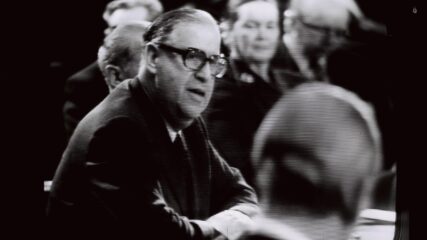
Convened under the co-chairmanship of the United States and Soviet Union, the Geneva Middle East Conference is “aimed at establishing a just and durable peace in the Middle East.”
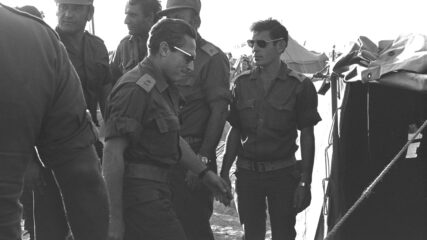
The Kilometer 101 Six-Point Agreement focuses on the maintenance of a cease-fire between Israeli and Egyptian forces, the movement of non-military supplies, the use of U.N. supervision, and exchange plans for prisoners of war.
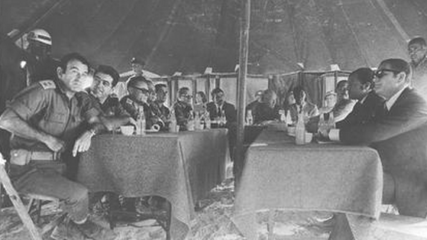
At the end of the October 1973 War, after several miscommunications, the first Egyptian-Israeli Military Talks between Generals commenced. These talks take place at 1am in Israeli-controlled territory, 101 kilometers from Cairo.
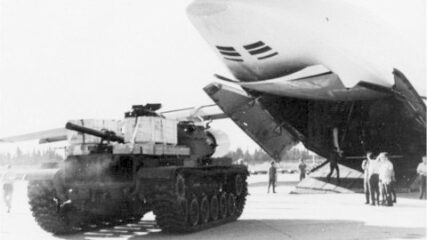
Oil ministers from Arab states cut exports by 5% and recommend an embargo of Israel’s allies in response to the U.S. airlift of military supplies to Israel during the Yom Kippur War.
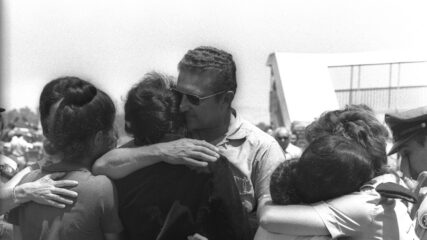
July 1, 1973 Col. Yosef “Joe” Alon, a military attaché at the Israeli Embassy in Washington, is shot five times in his driveway in Chevy Chase, Maryland, after attending a farewell party for an Israeli…

April 7, 1973 Israel’s first-ever entry in the annual Eurovision Song Contest, Ilanit with the song “Ey-sham,” finishes fourth out of 17 nations, while host country Luxembourg wins for the second consecutive year. The music…

Hafez Ismail and Henry Kissinger conduct secret meetings. Egyptian President Sadat had decided to appoint veteran diplomat Ismail to a newly created position, Egyptian National Security Adviser, in 1972.
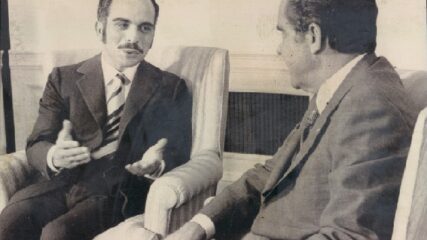
In a radio address delivered to the Jordanian people on Amman Radio, Jordan’s King Hussein proposes a federal solution to the Arab-Israeli conflict.
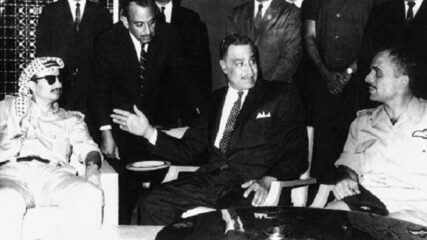
September 28, 1970 Egyptian President Gamal Abdel Nasser dies of a heart attack at age 52 after experiencing symptoms while returning from ceremonies marking the end of an Arab summit, in which he brokered a…
