Dulles Travels to Middle East
May 11, 1953 U.S. Secretary of State John Foster Dulles arrives in Cairo at the start of a 2½-week fact-finding trip to Egypt, Israel, Jordan, Syria, Lebanon, Iraq, India, Pakistan, Turkey and Libya. Dulles emphasizes…
Shaikh Yusuf Yassin, Saudi Arabia’s Deputy Foreign Minister, states that “Arab states would never agree to any working relationship with Israel.”
May 17, 1948 The Soviet Union officially recognizes the State of Israel three days after Israel declared independence and the United States immediately offered de facto recognition of the new state’s provisional government. The Soviet…
The United States was deeply worried that supporting the establishment of a Jewish state would jeopardize Arab oil supplies and force the US to send troops, risking a confrontation with the USSR.
Clark Clifford did not want the US to waiver from the partition resolution passed at the UN in November 1947, which called for the division of Palestine into Arab and Jewish states.
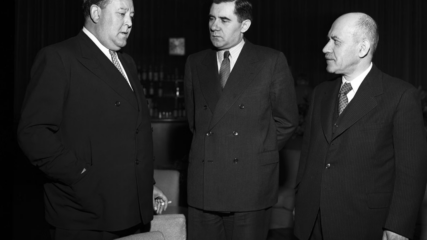
Soviet Foreign Minister Andrei Gromyko proposes a unitary state for Palestine, but vows to support partition if it is deemed the only workable solution.
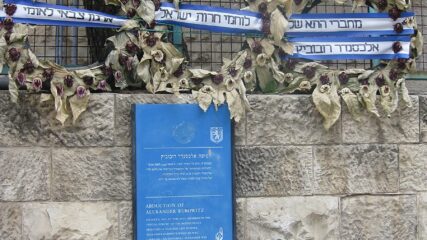
May 6, 1947 Alexander Rubowitz, 16, is abducted in the Rehavia neighborhood of Jerusalem while on a mission for Lohamei HaHerut b’Yisrael (Fighters for the Freedom of Israel), known by the acronym Lehi or as…
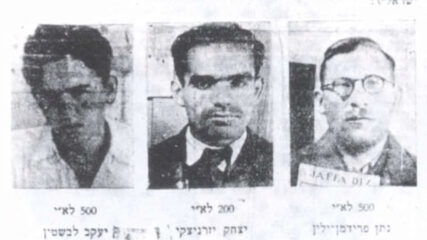
November 1, 1945 The newly formed Jewish Resistance Movement sets off explosions at more than 150 sites along the railway system of British Mandatory Palestine and blows up three British gunboats in the Jaffa and…
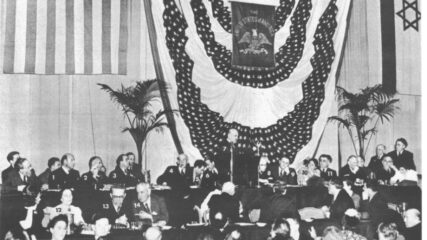
The Biltmore Conference will set the framework for Zionist policy in the years during and after World War II.
The 1939 White Paper signaled Britain’s readiness to relegate the Jews in Palestine to minority status in a future majority-Arab state.
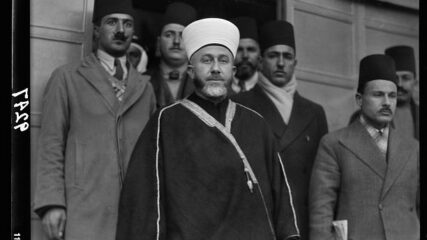
The Mufti has enormous power in his hands, yet he chooses non-engagement with the British, who controlled Palestine.
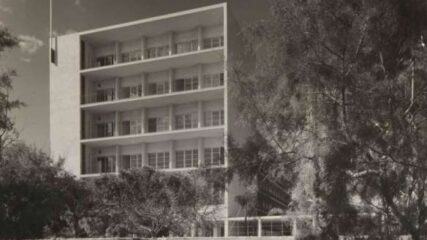
December 22, 1938 The Rambam Health Care Campus opens as the British Government Hospital of Haifa and is hailed by the British high commissioner for Palestine, Harold MacMichael, as the “finest medical institution in the…
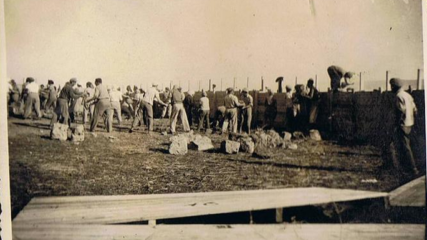
Kibbutz Kfar (Village) Ruppin is established under the framework of the “Tower and Stockade” movement in Zionism, which takes place primarily between 1936-1939.
In the midst of the 1936-1939 Arab revolt, a debate over British policy in Mandatory Palestine is held in the House of Commons.
Exiled because of Italy’s incursion into Ethiopia, Selassie spends a few weeks in Jerusalem contemplating how best to gain global support for his country.
Zionist leaders debate how to confront proposed British restrictions on Jewish land purchase in Palestine.
The Mosul-Haifa pipeline, which spans 590 miles, connects the Mosul oil fields and the Mediterranean Sea. It begins in Kirkuk, Iraq and ends in Haifa.
The White Paper contained distinct threats to the geography of the Jewish National Home. The subsequent nine years saw unprecedented growth of Jewish demographic and physical presence in Palestine.
Nahum Sokolow, serving as President of the Executive Committee of the World Zionist Congress, meets with President Warren Harding in Washington, D.C.
British Prime Minister David Lloyd George asks Herbert Samuel to become the first High Commissioner of Palestine.
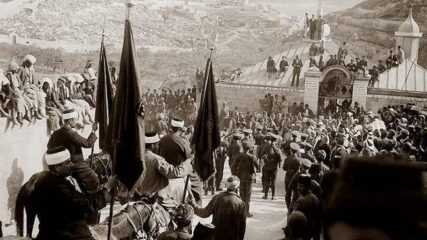
A Muslim pilgrimage festival erupts into violence against Jews in Jerusalem, leaving nine dead and hundreds wounded.
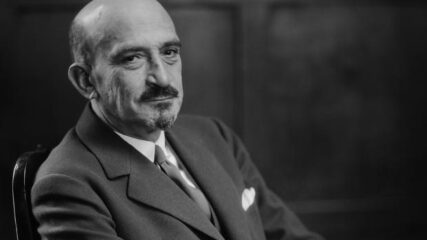
Chaim Weizmann warns that unless world Jewry secures a place of their own they will be faced by a terrible catastrophe.
British General Edmund Allenby appoints Ronald Storrs as Military Governor of Jerusalem.
As part of the British campaign during World War I, the Australian 4th Light Horse Brigade overtake the Turkish defenders and capture Beersheba.