With Israeli-Palestinian talks in a hapless state, President Clinton rejuvenates them. In the Arafat-Netanyahu agreement Israel shares Hebron, with the CIA playing a role in West Bank security.
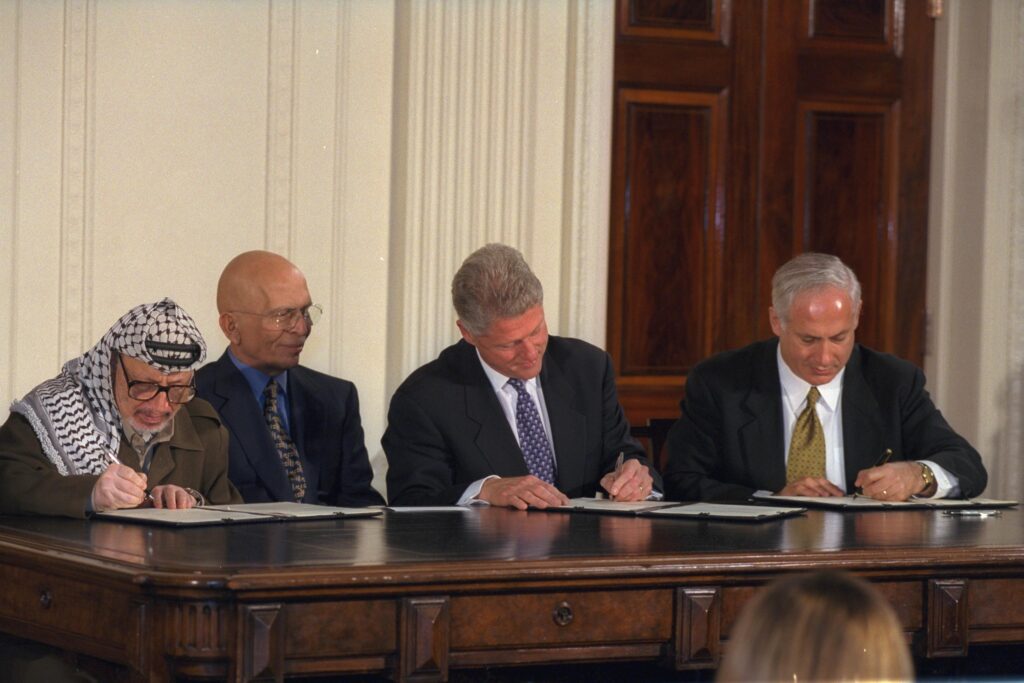

With Israeli-Palestinian talks in a hapless state, President Clinton rejuvenates them. In the Arafat-Netanyahu agreement Israel shares Hebron, with the CIA playing a role in West Bank security.
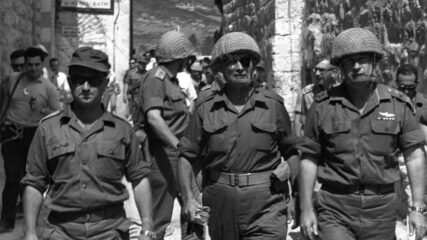 CIE+ Audio Playlist
Speeches, source documents and analyses from the 1967 war, gathered into one playlist you can listen to end to end — from the closing of the Straits of Tiran to the aftermath.
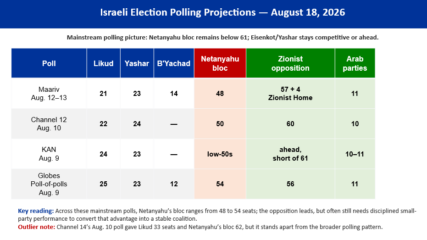
The top issues motivating Israeli voters two months before the October 27, 2026, election are national security, October 7 accountability and the cost of living, but other issues affect how those topics influence voting decisions.
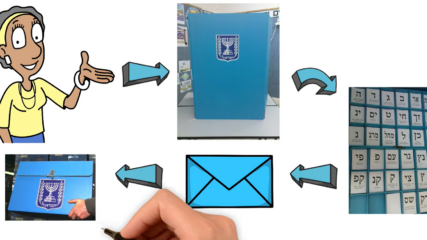
Our Israel On Board video explains how the electoral system in Israel works. The video highlights the voting process, explains proportional representation and the electoral threshold, and describes why there are so many different parties.
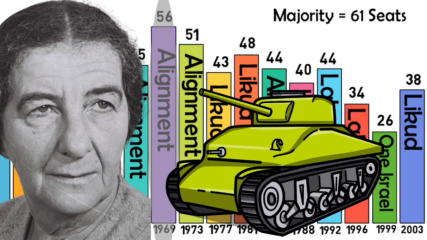
An Israeli election is just the first part of the process to decide who will lead the country. Our Israel On Board video explains what happens next and how the country’s government is formed.

Three powerful Muslim countries agreed to a still-vague mutual defense pact both to constrain Iran and to increase their strategic flexibility amid regional changes and U.S. concerns.
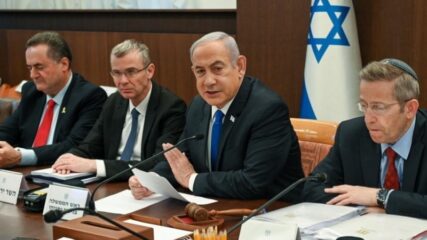
Facing a tough election in less than three months, Benjamin Netanyahu appeared to prioritize Israeli public opinion over pleasing ally Donald Trump in rejecting the latest implementation plan for the Gaza ceasefire.
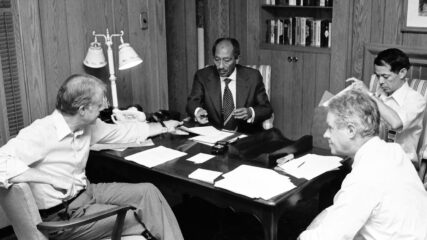
President Sadat evolved and presented the bulk of Egypt’s views at Camp David, greatly limiting his advisers’ participation. He particularly kept them from demanding Palestinian rights from Israel, which would have ended the talks without an agreement. Sadat anointed President Carter as the more willing, tougher negotiator with the Israelis. Sadat left Camp David with the U.S. at deep odds with the Israelis and Egypt as close as ever to Carter and the Americans.

On the second day at Camp David, the United States and Israel candidly reviewed the 1967 refugees and the relationship of the West Bank to Israel.

July 31, 2026 By Maya Rezak and Ken Stein Videos and Multimedia John H. Cochrane, Niall Ferguson, H.R. McMaster and Bill Whalen, “Trump’s 14 Points: Epic Fury or Epic Fail,” Hoover Institution, June 18, 2026….
