July 30, 1980
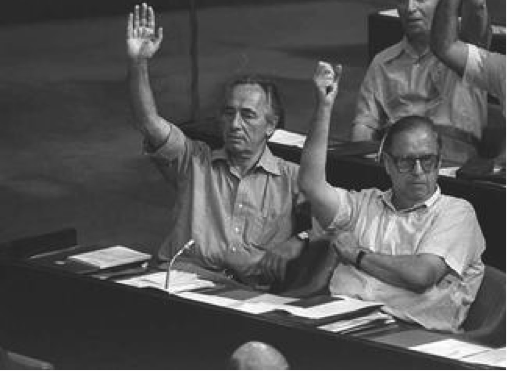
The Knesset passes a Basic Law declaring that Jerusalem is and always will be the capital of Israel. The law has little effect on Israeli claims to the city and its administration, but elevating the political status of Jerusalem to a Basic Law gives it legislative weight. The law did not change the status of Arab citizens of East Jerusalem, who have permanent residency status.
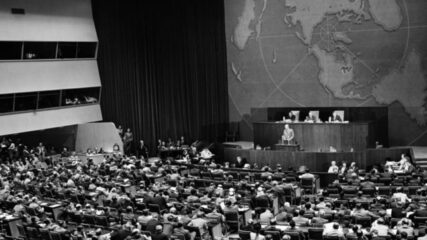
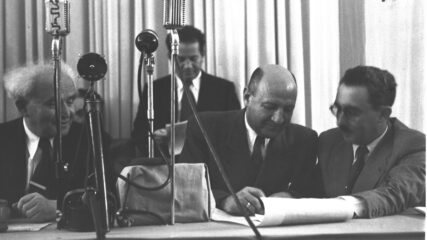
The status of Jerusalem was an issue before the establishment of the State of Israel in May 1948. In both the 1937 Peel Commission report and the November 1947 U.N. partition plan, Jerusalem was to be either a British enclave or an internationally governed city. On December 5, 1949, Israeli Prime Minister David Ben-Gurion announced that Jerusalem was the eternal capital of Israel. In January 1950, the Knesset passed a resolution that stated, “With establishment of the State of Israel, Jerusalem once more becomes the capital.”
Between April 1950 and June 1967, easternmost areas of the city, including the Old City, were a part of the Kingdom of Jordan. Reunification of the city resulted from the June 1967 war.
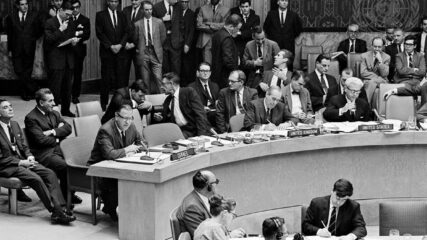
Many countries protest the Jerusalem Basic Law. On August 20, 1980, the U.N. Security Council responds with Resolution 476, censuring and rejecting the new Israeli law. The resolution calls for U.N. member nations to move their embassies out of Jerusalem. Thirteen countries — Ecuador, Colombia, the Netherlands, Bolivia, Haiti, Panama, Costa Rica, El Salvador, Chile, Venezuela, Uruguay, the Dominican Republic and Guatemala — move their embassies to Tel Aviv.