British Zionist Richard Crossman Dies
Richard Crossman, who supported Zionist efforts while serving on the Anglo-American Commission of Inquiry, passes away at his home in England from liver cancer.

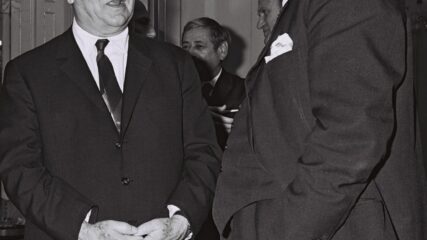
Richard Crossman, who supported Zionist efforts while serving on the Anglo-American Commission of Inquiry, passes away at his home in England from liver cancer.
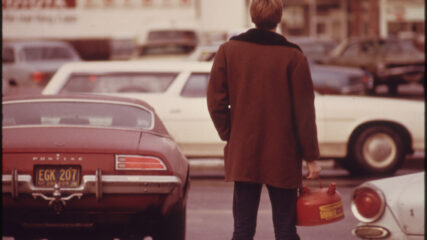
March 18, 1974 The Organization of Petroleum Exporting Countries, led by Arab oil producers, lifts the oil embargo it had placed on the United States for resupplying Israel during the Yom Kippur War. OPEC also…
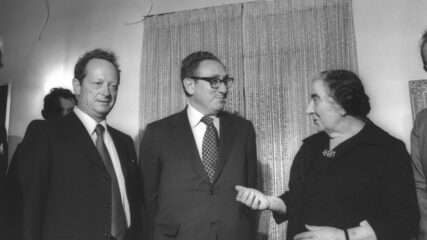
February 27, 1974 U.S. Secretary of State Henry Kissinger arrives in Tel Aviv from Damascus with a list of 65 Israeli prisoners held by Syria since the Yom Kippur War in October 1973, along with…
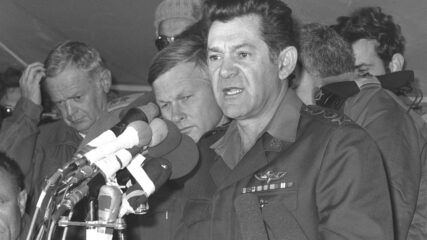
With U.S. assurances, Israel and Egypt agree to a buffer zone between their forces in the Sinai, moving toward what both sides wanted: the return of the peninsula for Egypt, peaceful relations for Israel.
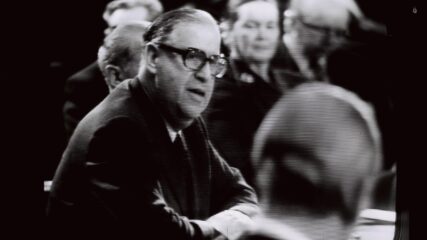
Convened under the co-chairmanship of the United States and Soviet Union, the Geneva Middle East Conference is “aimed at establishing a just and durable peace in the Middle East.”
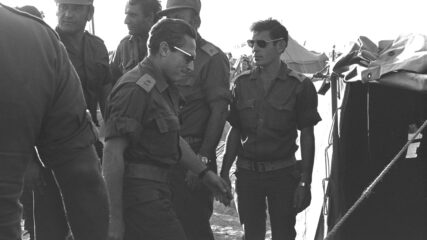
The Kilometer 101 Six-Point Agreement focuses on the maintenance of a cease-fire between Israeli and Egyptian forces, the movement of non-military supplies, the use of U.N. supervision, and exchange plans for prisoners of war.
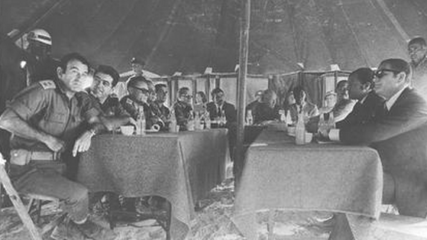
At the end of the October 1973 War, after several miscommunications, the first Egyptian-Israeli Military Talks between Generals commenced. These talks take place at 1am in Israeli-controlled territory, 101 kilometers from Cairo.
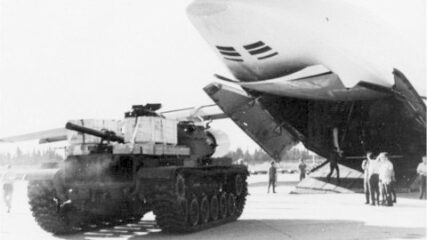
Oil ministers from Arab states cut exports by 5% and recommend an embargo of Israel’s allies in response to the U.S. airlift of military supplies to Israel during the Yom Kippur War.
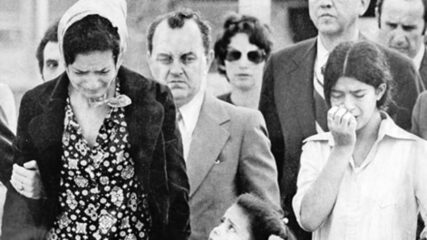
July 1, 1973 Col. Yosef “Joe” Alon, a military attache at the Israeli Embassy to the United States, is shot five times in his driveway in Chevy Chase, Maryland, after attending a farewell party for…

Hafez Ismail and Henry Kissinger conduct secret meetings. Egyptian President Sadat had decided to appoint veteran diplomat Ismail to a newly created position, Egyptian National Security Adviser, in 1972.
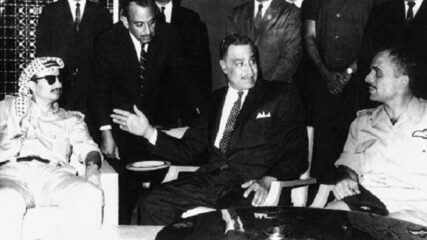
September 28, 1970 Egyptian President Gamal Abdel Nasser dies of a heart attack at age 52 after experiencing symptoms while returning from ceremonies marking the end of an Arab summit, in which he brokered a…
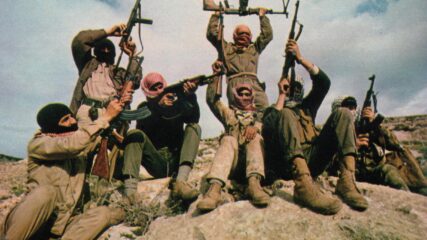
September 17, 1970 King Hussein sends the Jordanian army to attack the headquarters of Palestinian militant groups in and around the capital, Amman, and the city of Irbid, where the militants, known as fedayeen, had…
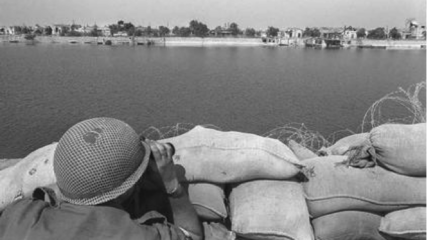
Israel, Jordan and Egypt finally signed a ceasefire, ending the 1967-1970 War of Attrition.

June 15, 1970 A dozen Soviet dissidents are arrested at Leningrad’s Smolnoye Airport just before boarding a 12-seat Antonov AN-2 aircraft for an attempt to fly to freedom. Also arrested are four conspirators in the…
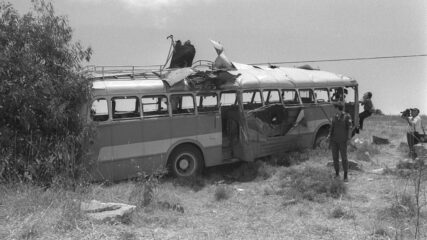
May 22, 1970 Palestinian terrorists ambush an Egged school bus on the road from Moshav Avivim, near the Lebanese border, to Dovev and kill eight children and four adults. The ambush takes place at a…

Israeli teams are sent to France to work in local shipyards. The Mossad established a “front” shipping company to buy the remaining boats and then return them to Israel.
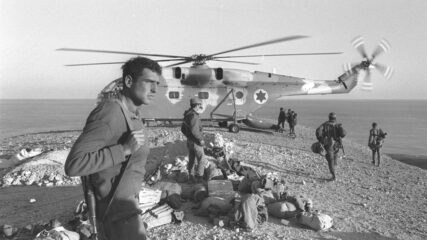
August 23, 1969 Egyptian President Gamal Abdel Nasser, who has adopted devout Muslim observance since losing the June 1967 war to Israel, responds to the arson attack on Al-Aqsa mosque two days earlier by calling…
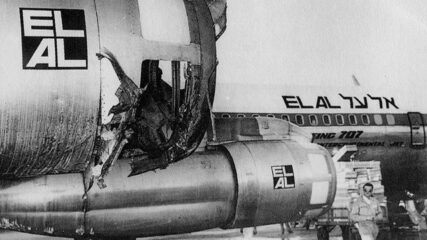
December 26, 1968 El Al Flight 253 from Tel Aviv to New York is about to take off after a layover in Athens when two men posing as passengers approach the Boeing 707. One draws…
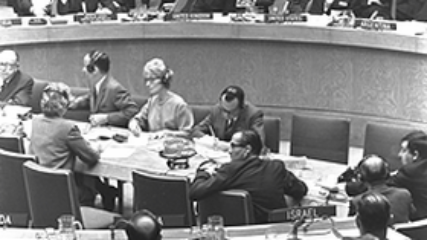
In the wake of the June 1967 Six Day War, the United Nations Security Council adopts Resolution 242, a document which has served as a framework for all major Arab/Israel negotiations since.
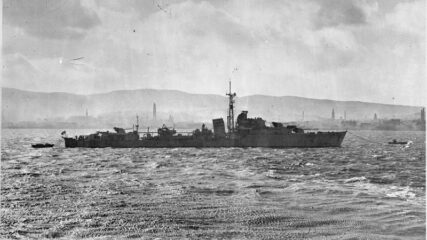
The Israeli destroyer INS Eilat is sunk in the Mediterranean in international waters off Port Said by Soviet-made missiles launched by Egyptian missile boats.
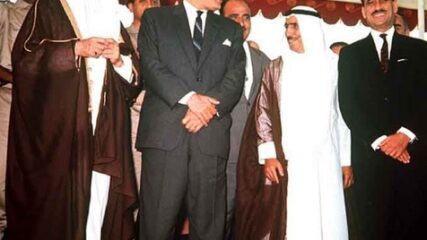
The Fourth Arab League Summit convenes in Khartoum, Sudan. Participants agree that all measures should be taken to regain lands controlled by Israel after the War, and that the oil-rich countries would finance an increased Arab military presence in the region.

June 6, 1967 After leaving Jerusalem at the start of the Six-Day War the previous day, Israeli Foreign Minister Abba Eban speaks to the U.N. Security Council to explain the pre-emptive Israel Defense Forces attacks…
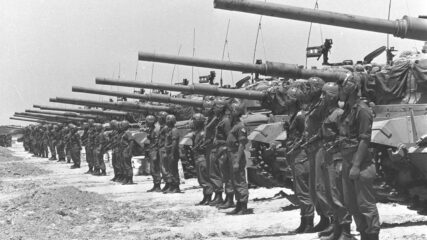
Egyptian President Gamal Abdel Nasser feared that Israeli troops would gather on the Egyptian border and felt compelled to uphold the mutual defense pact he had signed with Syria. On May 19, Nasser banned the 3,500 UNEF troops from Sinai so that he could mobilize Egyptian forces without interference.
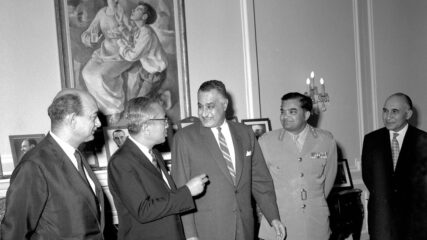
May 16, 1967 Egyptian President Gamal Abdel Nasser requests that the United Nations withdraw its peacekeeping troops from the Sinai, clearing an obstacle to war between Israel and its Arab neighbors. The Six-Day War begins…
