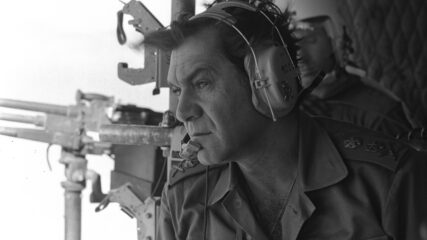
Ex-IDF Chief of Staff David Elazar Dies
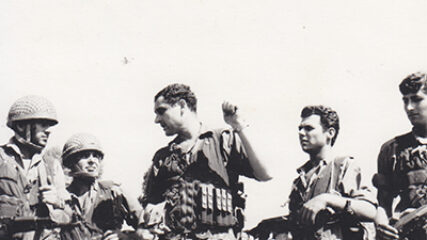
David Elazar, who served as Chief of Staff of the IDF in the early 1970s, passes away at the age of fifty following a heart attack.
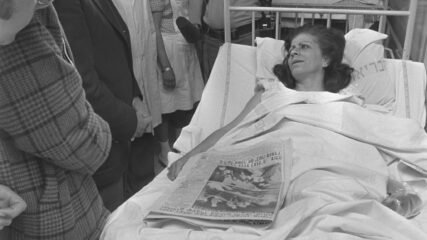
March 6, 1975 An eight-man Palestine Liberation Organization raid planned by Abu Nidal hits the beach in Tel Aviv around 11 p.m. and, after being spotted by police, attacks the Savoy Hotel. The terrorists kill…
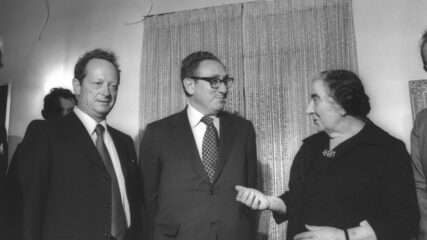
February 27, 1974 U.S. Secretary of State Henry Kissinger arrives in Tel Aviv from Damascus with a list of 65 Israeli prisoners held by Syria since the Yom Kippur War in October 1973, along with…
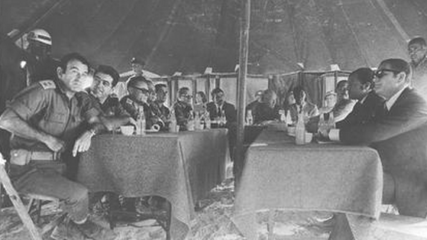
The Kilometer 101 Six-Point Agreement focuses on the maintenance of a cease-fire between Israeli and Egyptian forces, the movement of non-military supplies, the use of U.N. supervision, and exchange plans for prisoners of war.
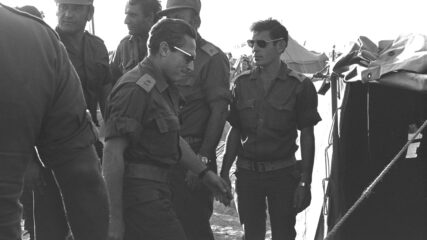
At the end of the October 1973 War, after several miscommunications, the first Egyptian-Israeli Military Talks between Generals commenced. These talks take place at 1am in Israeli-controlled territory, 101 kilometers from Cairo.
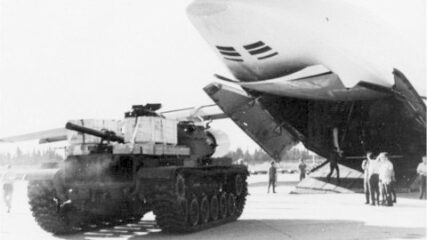
Oil ministers from Arab states cut exports by 5% and recommend an embargo of Israel’s allies in response to the U.S. airlift of military supplies to Israel during the Yom Kippur War.
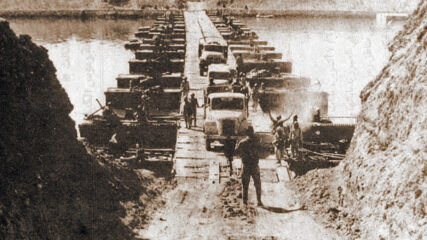
Egyptian troops cross the Suez Canal to push the Israelis out of the Sinai at the same time that Syria attacks in the Golan Heights.
July 21, 1973 A Mossad team targeting the terrorists behind the Munich Olympics massacre fatally shoots Moroccan waiter Ahmed Bouchiki while he walks home from a movie with his wife in Lillehammer, Norway. The mistaken…
April 9, 1973 Israeli commandos conduct a seaborne night raid on Beirut to kill three leaders in the Palestine Liberation Organization and its Black September wing, the terrorist group responsible for the Munich Olympics massacre…
During the 1972 Summer Olympics in Munich, Germany, eleven members of the Israeli Olympic team are killed after being taken hostage by Black September, a Palestinian terrorist organization affiliated with Yasser Arafat’s Fatah and the left-wing terrorist group The Red Army.
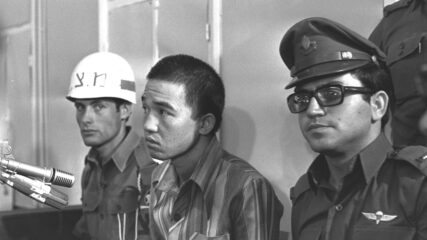
May 30, 1972 Three Japanese Red Army terrorists working for the Popular Front for the Liberation of Palestine-External Operations attack Israel’s international airport at Lod, now Ben Gurion Airport, with machine guns and hand grenades….
September 28, 1970 Egyptian President Gamal Abdel Nasser dies of a heart attack at age 52 after experiencing symptoms while returning from ceremonies marking the end of an Arab summit, in which he brokered a…
Israel, Jordan and Egypt finally signed a ceasefire, ending the 1967-1970 War of Attrition.
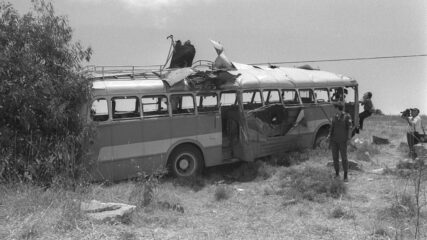
May 22, 1970 Palestinian terrorists ambush an Egged school bus on the road from Moshav Avivim, near the Lebanese border, to Dovev and kill eight children and four adults. The ambush takes place at a…
Israeli teams are sent to France to work in local shipyards. The Mossad established a “front” shipping company to buy the remaining boats and then return them to Israel.
Deputy Prime Minister Yigal Allon, a former IDF general, reveals in remarks to the Foreign Press Association of Israel his plan for “home rule” for Arabs living in the West Bank.
August 23, 1969 Egyptian President Gamal Abdel Nasser, who has adopted devout Muslim observance since losing the June 1967 war to Israel, responds to the arson attack on Al-Aqsa mosque two days earlier by calling…
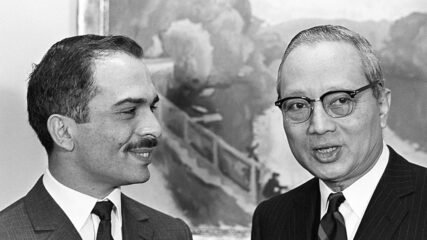
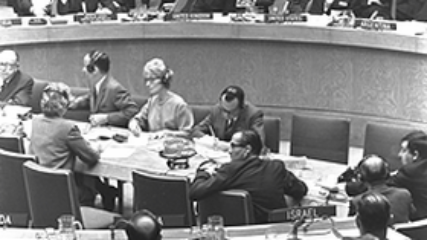
July 7, 1969 U.N. Secretary-General U Thant warns the Security Council that he is considering withdrawing the 96 U.N. observers from the Suez Canal zone because a state of “open warfare” exists there. He reports…
Egyptian forces launch a major offensive at Israeli positions on the eastern banks of the Suez Canal, starting the War of Attrition that lasts until August 1970.
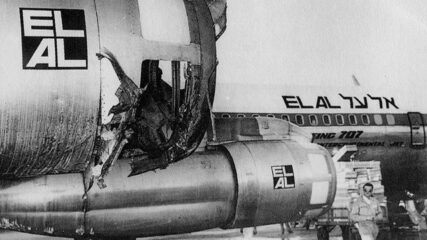
December 26, 1968 El Al Flight 253 from Tel Aviv to New York is about to take off after a layover in Athens when two men posing as passengers approach the Boeing 707. One draws…
April 4, 1968 Moshe Levinger and several other Israeli Jews pretending to be Swiss tourists check into a Hebron hotel to establish the first permanent Jewish presence in the city in almost 40 years, taking…
In the wake of the June 1967 Six Day War, the United Nations Security Council adopts Resolution 242, a document which has served as a framework for all major Arab/Israel negotiations since.
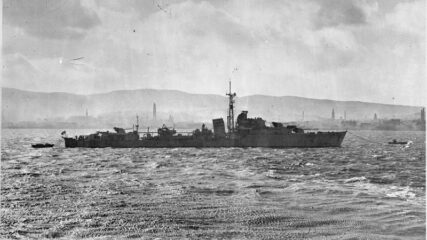
The Israeli destroyer INS Eilat is sunk in the Mediterranean in international waters off Port Said by Soviet-made missiles launched by Egyptian missile boats.
September 1, 1967 The Arab League summit in Khartoum, Sudan, ends with the signing of the Khartoum Resolutions, best known for the conclusions that become known as the “Three Nos”: no recognition of Israel, no…