War of Attrition Begins Between Egypt and Israel CIE+ members only
Egyptian forces launch a major offensive at Israeli positions on the eastern banks of the Suez Canal, starting the War of Attrition that lasts until August 1970.

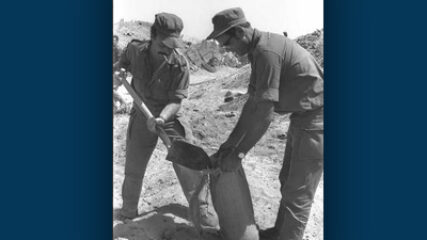
Egyptian forces launch a major offensive at Israeli positions on the eastern banks of the Suez Canal, starting the War of Attrition that lasts until August 1970.
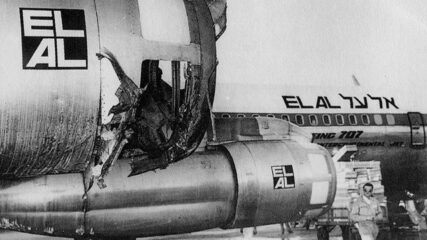
December 26, 1968 El Al Flight 253 from Tel Aviv to New York is about to take off after a layover in Athens when two men posing as passengers approach the Boeing 707. One draws…
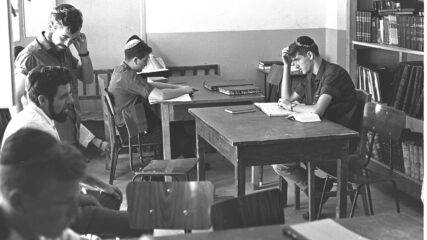
April 4, 1968 Moshe Levinger and several other Israeli Jews pretending to be Swiss tourists check into a Hebron hotel to establish the first permanent Jewish presence in the city in almost 40 years, taking…
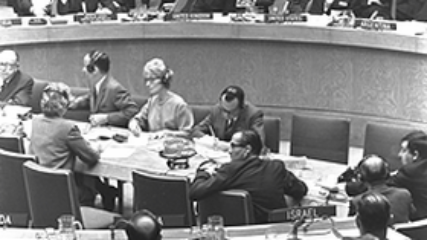
In the wake of the June 1967 Six Day War, the United Nations Security Council adopts Resolution 242, a document which has served as a framework for all major Arab/Israel negotiations since.
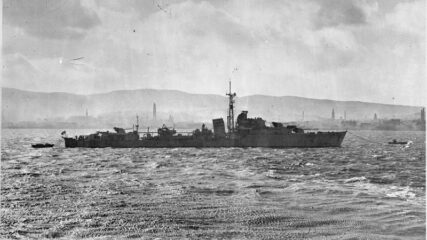
The Israeli destroyer INS Eilat is sunk in the Mediterranean in international waters off Port Said by Soviet-made missiles launched by Egyptian missile boats.
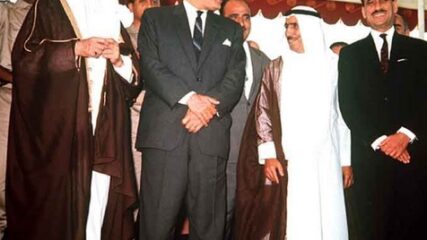
September 1, 1967 The Arab League summit in Khartoum, Sudan, ends with the signing of the Khartoum Resolutions, best known for the conclusions that become known as the “Three Nos”: no recognition of Israel, no…
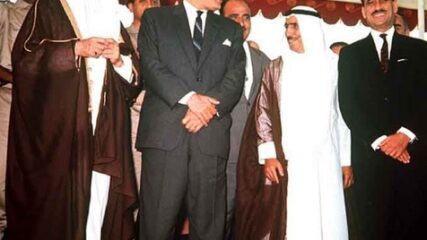
The Fourth Arab League Summit convenes in Khartoum, Sudan. Participants agree that all measures should be taken to regain lands controlled by Israel after the War, and that the oil-rich countries would finance an increased Arab military presence in the region.
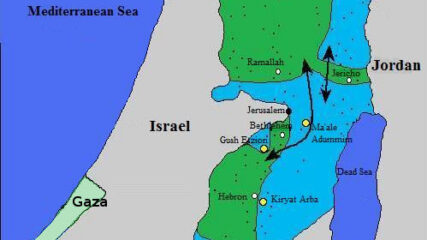
Penned by Yigal Allon, the Plan is a strategic proposal for Israel’s retention of the Jordan Valley in the West Bank. It includes a series of Jewish settlements and military installations to act as buffers against potential Arab attacks from the east.
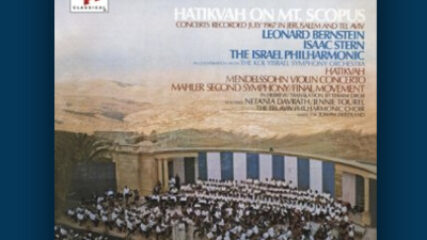
A packed audience fills the amphitheater on Mount Scopus to celebrate the end of the June 1967 War and to mark the cultural unification of Jerusalem.
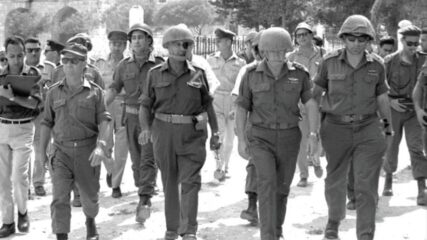
June 28, 1967 Israel publishes the Jerusalem Declaration, announcing the reunification of the ancient holy city under Israeli sovereignty after the Six-Day War, which ended June 10. The announcement comes 23 days after Jordan chose…
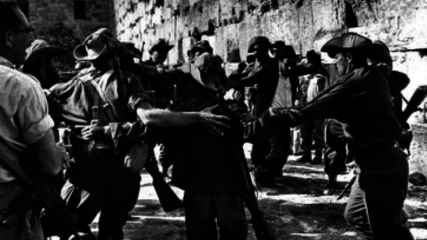
Following Israel’s victory and subsequent acquisition of Jordan’s territory along the West Bank of the Jordan River in the war, the Israeli government annexes roughly 70 square kilometers of land next to West Jerusalem.

Speaking to a group of 800 educators at the State Department, President Lyndon B. Johnson delivers an important foreign policy address, which includes five principles for peace in the Middle East.
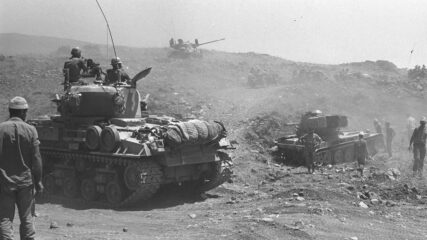
Israeli forces, under the command of Major General David Elazar, launch an offensive into the Syrian-controlled Golan Heights.
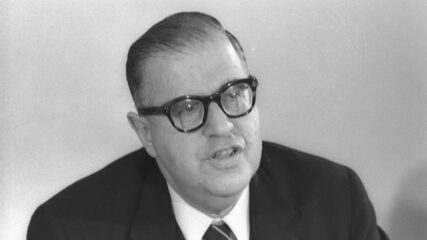
June 6, 1967 After leaving Jerusalem at the start of the Six-Day War the previous day, Israeli Foreign Minister Abba Eban speaks to the U.N. Security Council to explain the pre-emptive Israel Defense Forces attacks…
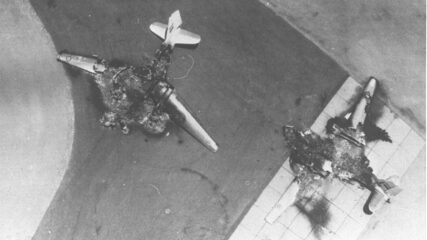
Egypt was on alert, expecting an Israeli attack to come at dawn. However, the Israelis delay and do not strike until 8:15 AM, when most Egyptian pilots are at breakfast and Egyptian commanders caught in traffic.
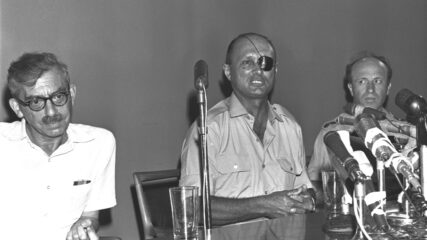
As tensions with Egypt escalate, Prime Minister Levi Eshkol appoints Moshe Dayan as Defense Minister, leading to Israel’s first national unity government.
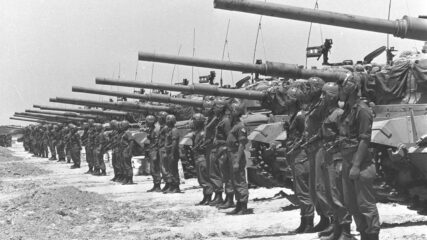
Egyptian President Gamal Abdel Nasser feared that Israeli troops would gather on the Egyptian border and felt compelled to uphold the mutual defense pact he had signed with Syria. On May 19, Nasser banned the 3,500 UNEF troops from Sinai so that he could mobilize Egyptian forces without interference.
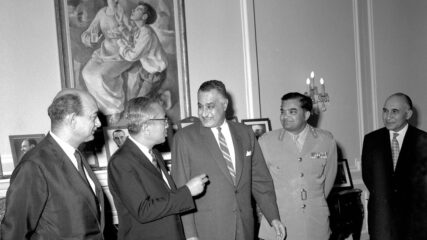
May 16, 1967 Egyptian President Gamal Abdel Nasser requests that the United Nations withdraw its peacekeeping troops from the Sinai, clearing an obstacle to war between Israel and its Arab neighbors. The Six-Day War begins…

The Voice of Israel Song Festival was created in 1960 as part of Israel’s Independence Day celebration and as an opportunity to showcase Israel’s emerging culture.
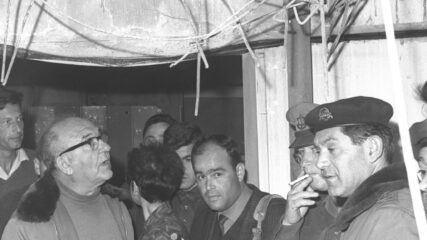
After unarmored Israeli tractors were fired upon in the demilitarized zone, Israeli forces began to return fire. The event soon escalated.

November 4, 1966 Egypt and Syria sign a mutual defense treaty and create a joint military command. The move comes amid constant low-level violence on the Israeli-Syrian border, characterized by Syrian guerrilla raids and shelling…
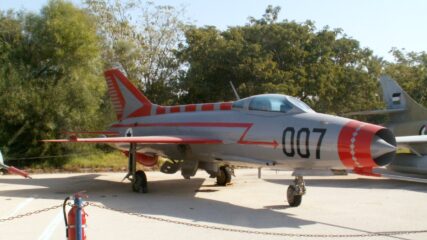
Known as Operation Diamond, the plan to recover a functional, Russian-made MIG-21 fighter jet succeeds after the Mossad cuts a deal with disillusioned Iraqi-Christian fighter pilot Munir Redfa. As part of the deal, Redfa receives $1 million, Israeli citizenship for himself and his family, and guaranteed full-time employment.
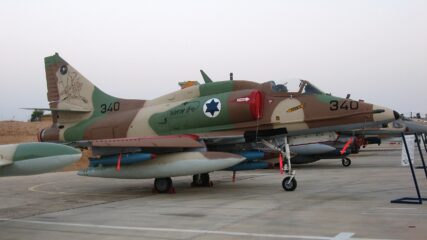
May 19, 1966 The Johnson administration announces that it will sell A-4 Skyhawk light bombers to Israel, marking the first sale of U.S. warplanes to Israel and a shift from France to the United States…
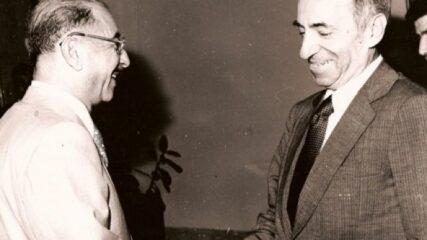
February 23, 1966 Saleh Jadid launches a coup of young army officers against a Syrian government of old-guard members of the Arab Socialist Ba’ath Party who themselves seized power in a coup in 1963. The…
