Ze’ev Vladimir Jabotinsky Is Born
Ze’ev Vladimir Jabotinsky is born in Odessa, Ukraine. He is mostly known for his revisionist attitudes towards Zionism, which serve as the ideological foundation of Israel’s Likud political party.

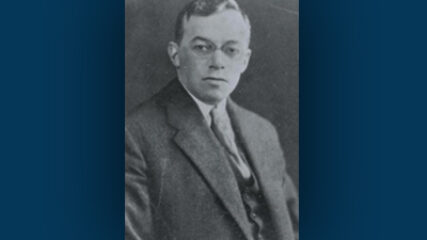
Ze’ev Vladimir Jabotinsky is born in Odessa, Ukraine. He is mostly known for his revisionist attitudes towards Zionism, which serve as the ideological foundation of Israel’s Likud political party.
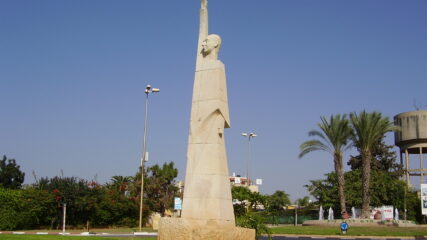
An early Zionist supporter in England, Alfred Mond (who would later become the first Lord Melchett) is born in England. Despite the fact that his parents were Jewish, Mond was not raised as a Jew and in fact was married in the Anglican church and raised his children as Christians.
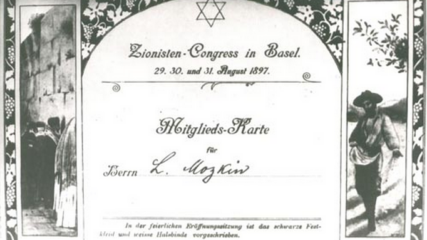
Raised in a traditional Jewish household, early Zionist activist Leo Motzkin is born in present-day Brovary, Ukraine.
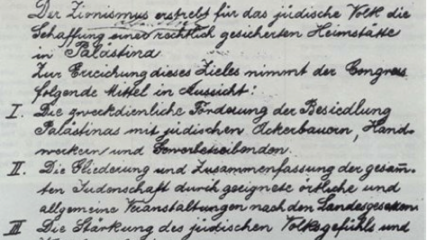
Max Nordau is born Simon Maximilian Sudfeld in Pest, Hungary to an Orthodox Jewish family. Nordau’s most notable contribution to early Zionism is The Basel Plan – the first official blueprint for the establishment of a Jewish State in Palestine.
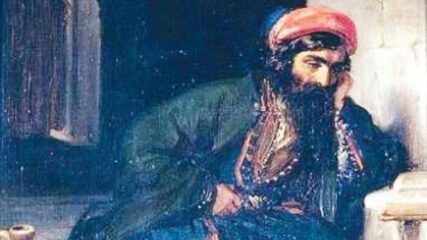
September 6, 1840 The nine surviving Damascus Jews accused of killing a Franciscan Capuchin friar and his servant to harvest the blood are freed by order of Muhammad Ali, the Ottoman pasha who controls an…
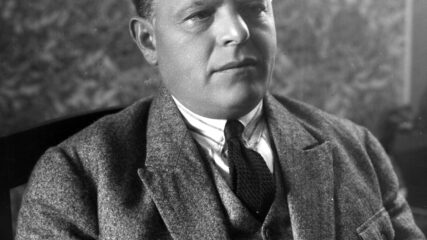
Chaim Nahman Bialik, famed Zionist poet, is born in the village of Radi, near Zhitomir in Volhynia (Northwest Ukraine).
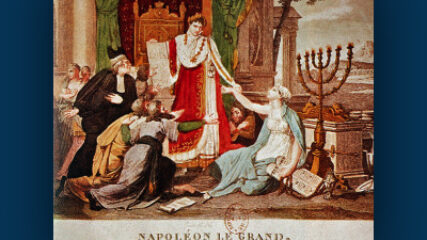
Sephardi Jews living in France are granted equal rights and given French citizenship by the National Assembly.
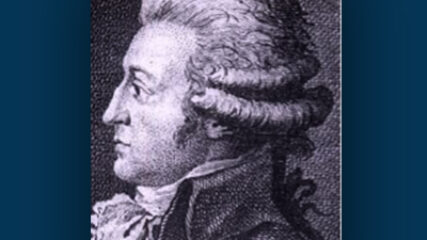
Following the French Revolution and the August 26, 1789 Declaration of the Rights of Man, the issue of Jewish rights is debated in the French National Assembly for three days with no conclusion.
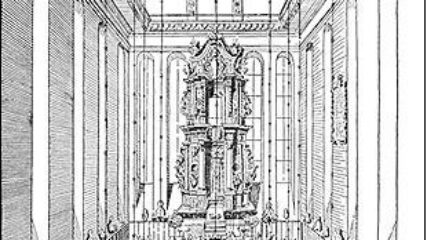
Berlin’s Jewish community reorganizes with a new constitution, the Aeltesten Reglement.
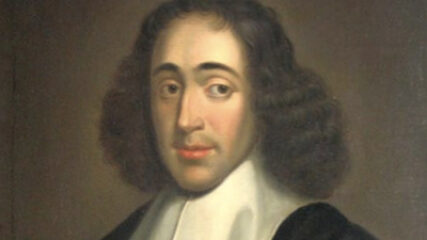
Baruch Spinoza’s ideas about Judaism are rejected by the Amsterdam Jewish community, eventually leading to his excommunication. He goes on to become one of the most important philosophers of the Jewish Enlightenment, which seeks to reconcile the world of Jewish faith with secular, empirical reality.
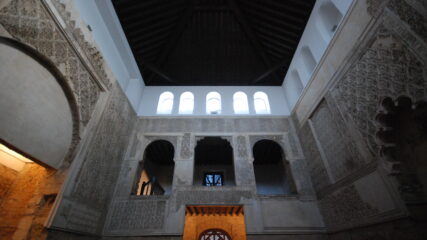
A riot breaks out against the conversos or marranos–Jews who had publicly converted to Christianity but continued to practice Judaism behind closed doors.
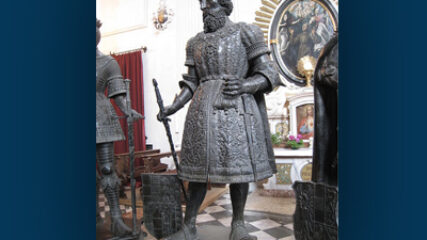
In 1244, the Duke issues a charter extending rights to Jews. His goal is to build the region’s economy. The charter encourages Jewish money-lending and Jewish migration to an outlying area. It also guarantees Jewish safety.
