First Conference of Russian Zionists Is Held in Warsaw
Held a few weeks before the Second Zionist Congress was set to convene in Basle, Switzerland, 160 Russian Zionists from ninety-three cities and towns in Russia meet secretly in Warsaw, Poland.

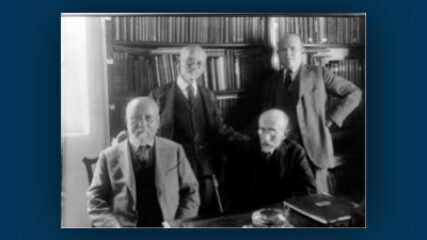
Held a few weeks before the Second Zionist Congress was set to convene in Basle, Switzerland, 160 Russian Zionists from ninety-three cities and towns in Russia meet secretly in Warsaw, Poland.

The Orthodox movement created the Orthodox Union, and adopted a constitution and by-laws at their meeting at Congregation Shearith Israel, the Spanish and Portuguese Synagogue in New York.
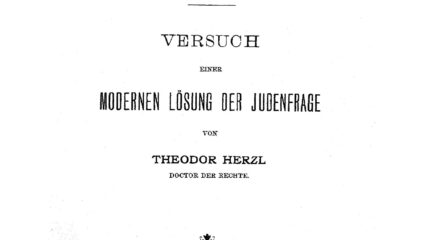
“Der Judenstaat” (The Jewish State), subtitled, “An Attempt at a Modern Solution to the Jewish Question,” by Theodor Herzl is first published in Vienna. 500 copies are originally printed and distributed.

Born in 1888 in Buczacz, Galicia (later part of Ukraine), Shmuel Agnon is the first Israeli to win a Nobel Prize and remains the only Hebrew writer to receive this award in literature.
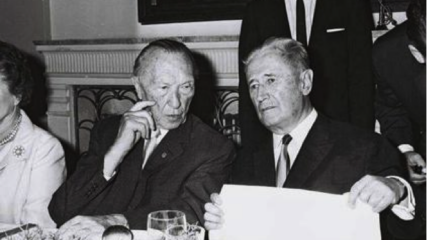
Nahum Goldmann is born in Visznevo, Lithuania. He is later a founder of the World Jewish Congress and the Conference of Presidents of Major American Jewish Organizations, as well as President of the World Zionist Organization.
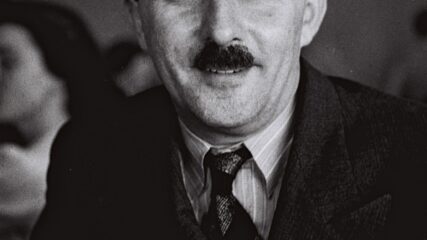
Moshe Sharett is born as Moshe Shertok in Kherson, Ukraine. Sharett’s parents were early Zionists, having been involved in the BILU movement in the early 1880’s.
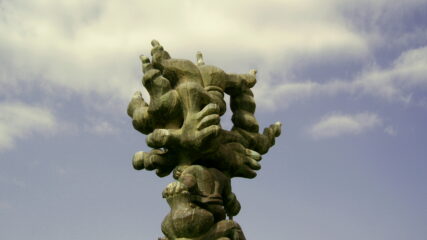
August 22, 1891 Sculptor Jacques Lipchitz, whose final work, “The Tree of Life,” stands outside Hadassah Hospital on Mount Scopus in Jerusalem, is born Chaim Jacob Lipchitz in Lithuania. Though his father wants him to…
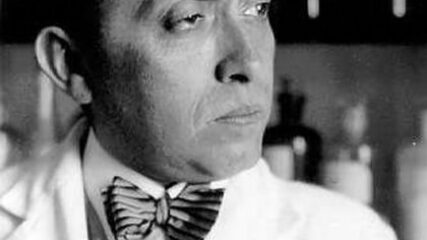
July 29, 1891 Bernhard Zondek, the obstetrician-gynecologist who creates one of the first reliable pregnancy tests, is born in Wronke, Germany, now in Poland. Zondek moves to Berlin for his medical studies and earns his…
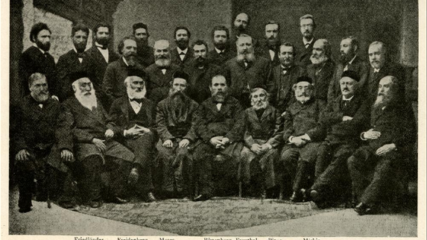
Delegates convene in Katowice (presently southern Poland) for the first gathering of the Hovevei Zion (Lovers of Zion) movement.
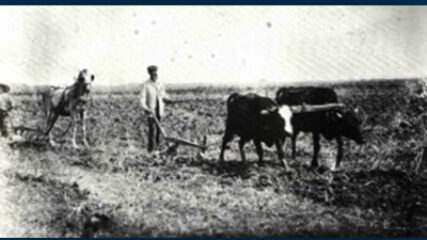
The groundwork for the First Aliyah is laid with the formation of the BILU group at a meeting in the home of Israel Belkind in Kharkov, Ukraine.
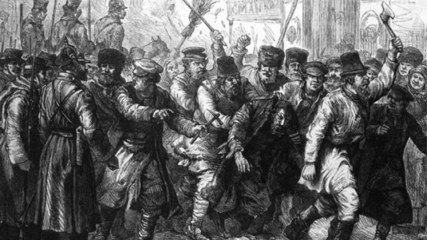
Following the assassination of Czar Alexander II in March 1881, a wave of pogroms (violent attacks) against Jewish communities sweeps through southwestern Russia.
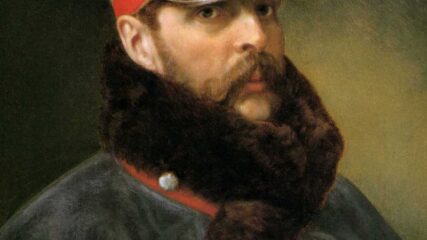
Czar Alexander II, the leader of Russia, is assassinated in St. Petersburg when a bomb is thrown into his carriage.
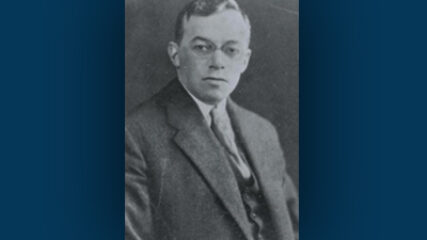
Ze’ev Vladimir Jabotinsky is born in Odessa, Ukraine. He is mostly known for his revisionist attitudes towards Zionism, which serve as the ideological foundation of Israel’s Likud political party.
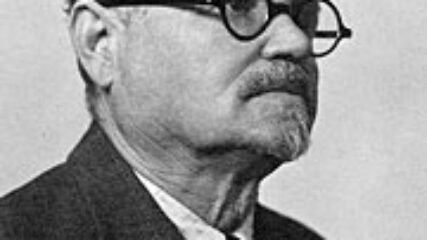
February 24, 1874 Early Zionist leader Moshe Smilansky, whose influence ranges from the military to agriculture and literature, is born near Kyiv, Ukraine. Smilansky first visits Palestine in 1890 and settles in Rehovot in 1893…
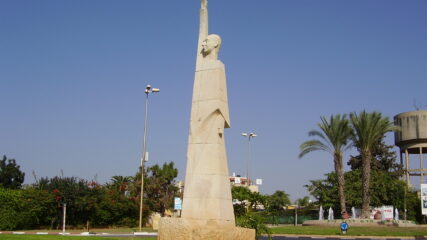
An early Zionist supporter in England, Alfred Mond (who would later become the first Lord Melchett) is born in England. Despite the fact that his parents were Jewish, Mond was not raised as a Jew and in fact was married in the Anglican church and raised his children as Christians.
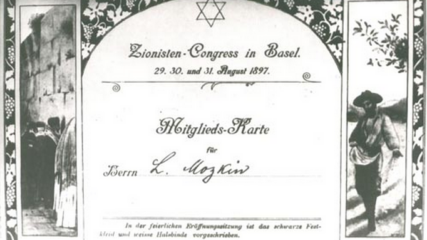
Raised in a traditional Jewish household, early Zionist activist Leo Motzkin is born in present-day Brovary, Ukraine.
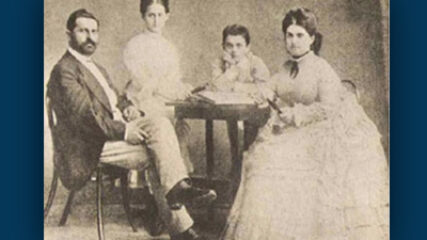
Theodor Herzl is born in Pest, Hungary. In addition to creating the World Zionist Organization, Herzl will help found the Jewish Colonial Trust in 1899 and the Jewish National Fund in 1901.
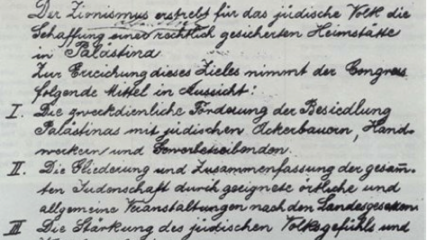
Max Nordau is born Simon Maximilian Sudfeld in Pest, Hungary to an Orthodox Jewish family. Nordau’s most notable contribution to early Zionism is The Basel Plan – the first official blueprint for the establishment of a Jewish State in Palestine.
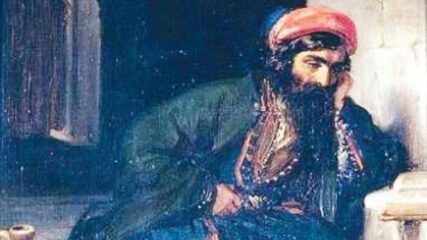
September 6, 1840 The nine surviving Damascus Jews accused of killing a Franciscan Capuchin friar and his servant to harvest the blood are freed by order of Muhammad Ali, the Ottoman pasha who controls an…
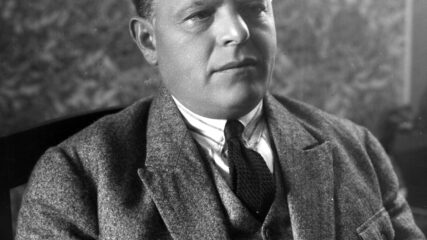
Chaim Nahman Bialik, famed Zionist poet, is born in the village of Radi, near Zhitomir in Volhynia (Northwest Ukraine).
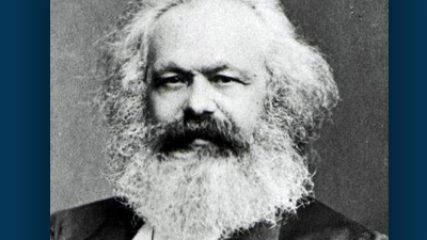
Karl Marx, whose theories of modern socialism will form the framework of the Communist Revolution in Russia, is born in Trier, a town in West Prussia (present day Germany).
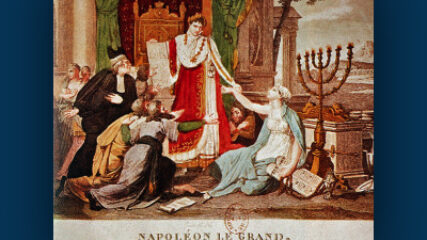
Sephardi Jews living in France are granted equal rights and given French citizenship by the National Assembly.
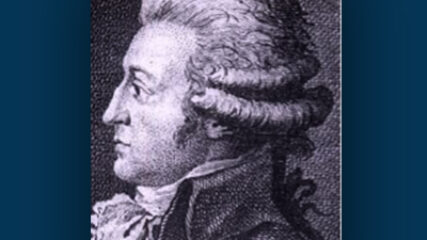
Following the French Revolution and the August 26, 1789 Declaration of the Rights of Man, the issue of Jewish rights is debated in the French National Assembly for three days with no conclusion.
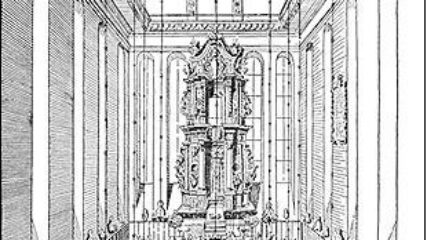
Berlin’s Jewish community reorganizes with a new constitution, the Aeltesten Reglement.
