Bernadotte Named U.N. Peace Mediator
May 20, 1948 Count Folke Bernadotte is appointed by the U.N. Security Council as the mediator for Middle East peace efforts five days into the Israeli War of Independence. Bernadotte was born in Sweden in…

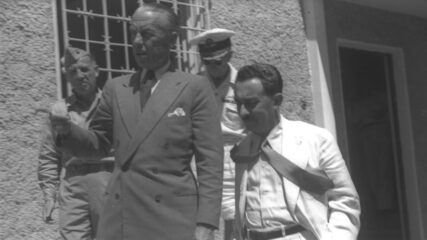
May 20, 1948 Count Folke Bernadotte is appointed by the U.N. Security Council as the mediator for Middle East peace efforts five days into the Israeli War of Independence. Bernadotte was born in Sweden in…
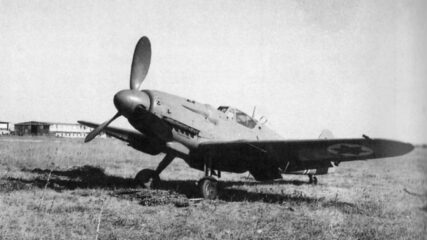
May 17, 1948 The Soviet Union officially recognizes the State of Israel three days after Israel declared independence and the United States immediately offered de facto recognition of the new state’s provisional government. The Soviet…
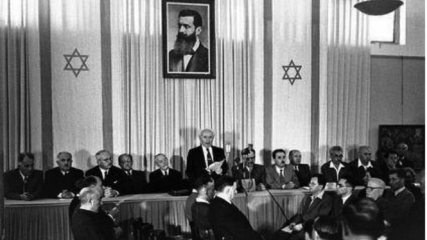
On Friday afternoon in the Tel Aviv Museum, David Ben-Gurion, chairman of the Provisional State Council, declares Israel’s independence. The United States is the first country to recognize the new and already besieged state of Israel.

The second secret meeting between the two is a last-ditch effort to persuade Transjordan to stay out of an impending war with the soon-to-be declared State of Israel.
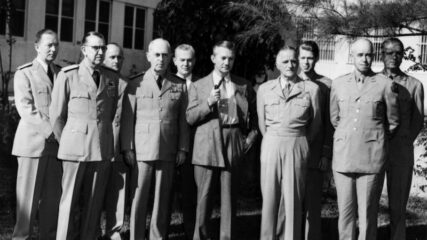
The United States was deeply worried that supporting the establishment of a Jewish state would jeopardize Arab oil supplies and force the US to send troops, risking a confrontation with the USSR.
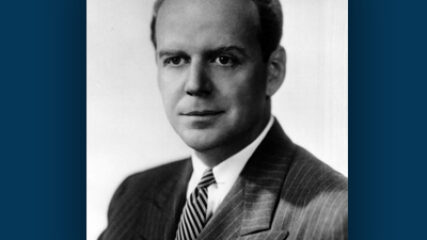
Clark Clifford did not want the US to waiver from the partition resolution passed at the UN in November 1947, which called for the division of Palestine into Arab and Jewish states.
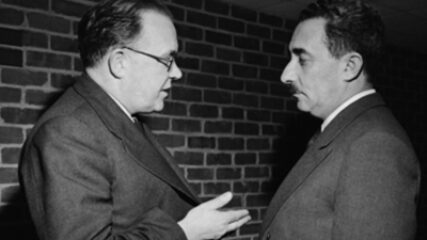
A two-day debate on the future of Britain’s presence in Palestine begins in the British House of Commons. Eventually it is decided to terminate the 1922 League of Nations Mandate for Palestine.
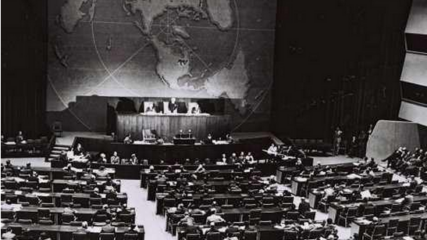
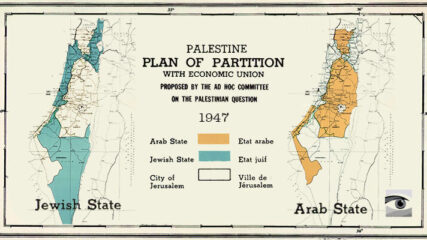
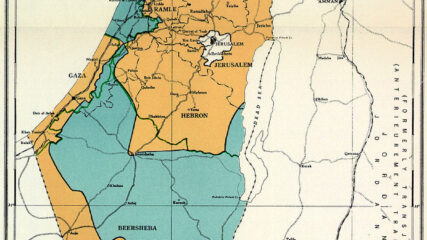
The United Nations General Assembly passes Resolution 181 by a vote of 33-13 with 10 abstentions. The Resolution recommended the creation of separate Arab and Jewish states in Palestine, linked by an economic union.
David Ben-Gurion, the chairman of the Executive of the Jewish Agency since 1935, formally accepts the partition plan proposed by the United Nations Special Committee on Palestine (UNSCOP).
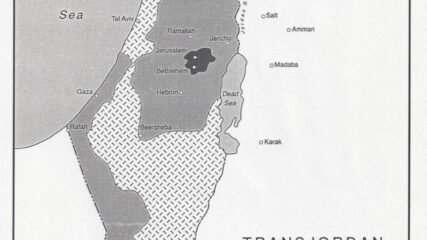
September 29, 1947 The Arab Higher Committee for Palestine formally rejects the U.N. Special Committee on Palestine’s partition plan, which advocates for the division of the land into a separate Jewish and Arab states and…
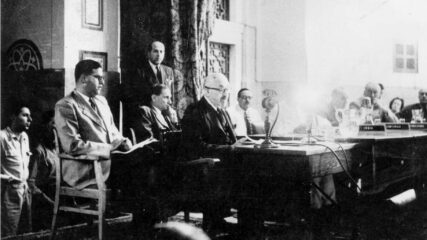
The United Nations had set up UNSCOP in April 1947. Its purpose, like previous commissions that visited Palestine, is to investigate underlying causes for communal unrest and to make political recommendations about curtailing violence.
May 15, 1947 The United Nations establishes its Special Committee on Palestine, known as UNSCOP, to study and propose options for the future of British Mandatory Palestine. The committee’s formation comes in response to a…
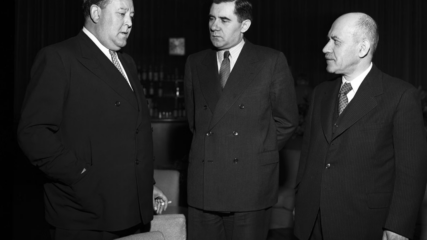
Soviet Foreign Minister Andrei Gromyko proposes a unitary state for Palestine, but vows to support partition if it is deemed the only workable solution.
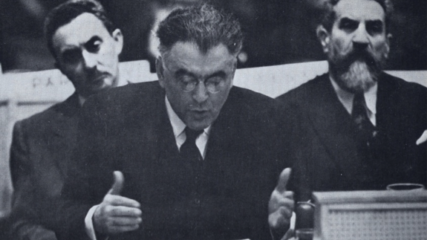
In an address on behalf of the Jewish Agency, Rabbi Abba Hillel Silver calls upon the United Nations to honor the 1917 Balfour Declaration.
April 2, 1947 The British government notifies the United Nations of its intent to bring the question of Palestine’s future before the next U.N. General Assembly. The United Kingdom also requests a special General Assembly…
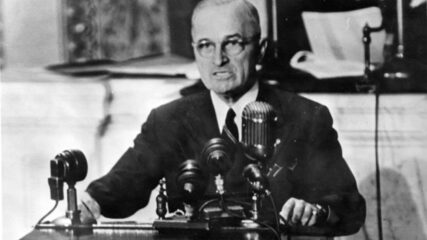
In a speech delivered to a joint session of Congress, President Harry Truman outlines a new, decidedly anti-Soviet direction for American foreign policy.
The British respond to rising violence in Mandatory Palestine by asking the United Nations to figure out what to do.

A Land Transfer Committee report reveals that Arabs in Palestine willingly continued to sell land to Zionists in the early 1940s despite the British legal prohibition on doing so.
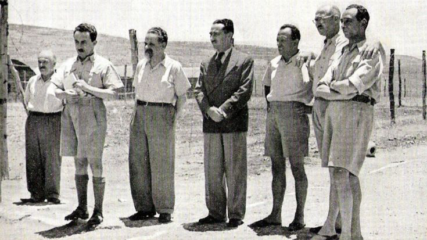
November 1, 1945 The newly formed Jewish Resistance Movement sets off explosions at more than 150 sites along the railway system of British Mandatory Palestine and blows up three British gunboats in the Jaffa and…
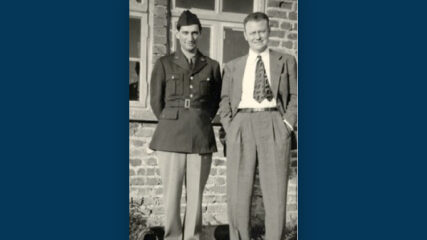
The Harrison Report, an inquiry into the conditions of displaced persons camps in occupied Germany, reveals that many of the rumors of poor treatment of Jews are indeed true and that “we appear to be treating the Jews as the Nazis treated them, except that we do not exterminate them.”
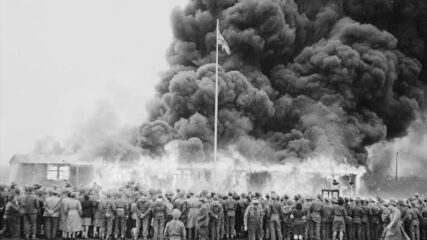
April 15, 1945 The British 11th Armored Division liberates the Nazis’ Bergen-Belsen concentration camp in northern Germany, discovering 60,000 starving prisoners, most of them seriously ill, and 13,000 unburied corpses. They are the remnants of…
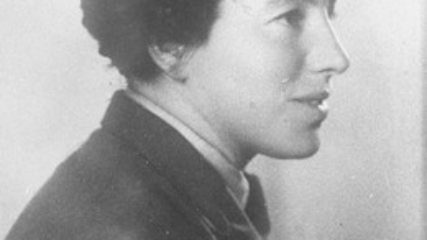
November 20, 1944 Haviva Reik and two other paratroopers from British Mandatory Palestine are among about 40 Jewish fighters executed by the Nazis after the suppression of an uprising in Slovakia. Reik, who was born…
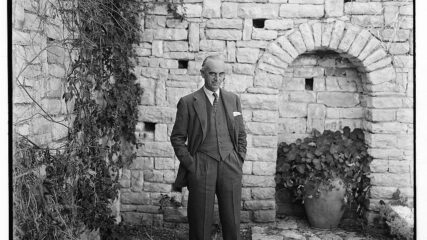
Rattled by numerous attempts on his life, and fearing for the safety of his family, MacMichael steps down in August 1944.
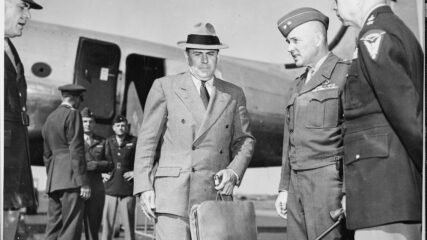
In a letter written to Leon Kubowitzki, head of the Rescue Department of the World Jewish Congress, US Assistant Secretary of War John J. McCloy states that the War Department would not order the bombing of Nazi Death Camps because they did not see it as a priority for US military resources.
