Los motivos de Rabin para firmar los acuerdos de Oslo, 1995
1 de noviembre de 1995 Tres días antes de ser asesinado el 4 de noviembre de 1995, el Primer Ministro israelí Rabin le dijo a su redactor de discursos, Yehuda Avner, por qué reconocía a…
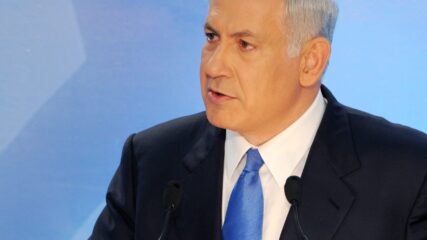
14 de junio de 2009 Netanyahu, Benjamín. Universidad Bar Ilán, Ramat Gan. 14 de junio de 2009. Discurso. En un discurso de treinta minutos sobre política exterior, el Primer Ministro presentó su plan para una…
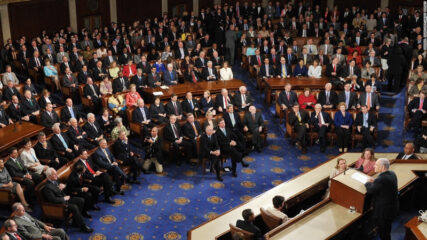
Netanyahu elogia al gobierno de Obama por su apoyo a la seguridad de Israel, luego lo critica rotundamente por negociar un trato con Irán que no retrocederá su tiempo de actividad nuclear y por no exigir que, antes que las sanciones sean levantadas, Irán termine su apoyo al terrorismo y a las amenazas de eliminar a Israel del mapa.
Desde una cumbre árabe, la iniciativa es evaluada varias veces desde entonces; llama a la normalización de las relaciones con Israel, la retirada de Israel de las líneas de 1967, pero establece una resolución imprecisa en cuanto a la cuestión de los refugiados.
Como un plan de negociación, busca poner fin al conflicto con objetivos de un desempeño recíproco. Israel acepta el plan con algunas reservaciones; Hamas lo rechaza sin pensarlo dos veces. El plan no es promulgado.
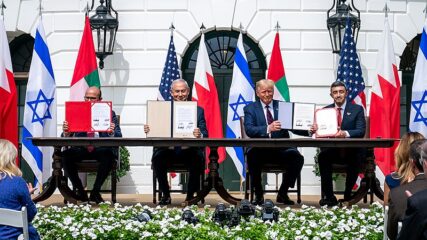
Forjados silenciosamente durante la última década o incluso antes, los lazos para una relación a largo plazo entre Israel y los estados del Golfo se han hecho públicos, en base a intereses nacionales con la especulación de que las relaciones adversales podrían convertirse en un sistema regional de alianza flexible.
Amid a ceasefire in Gaza, Israeli Prime Minister Benjamin Netanyahu becomes the first foreign leader to visit the White House during the second Trump administration, and President Donald Trump uses the occasion to declare his intention to take over and redevelop Gaza.
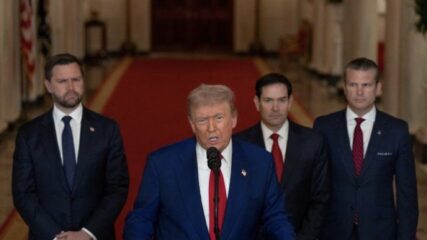
President Trump announces precision U.S. airstrikes on Iran’s key nuclear sites, citing Iran’s four-decade-long hatred of the U.S. and killing of Americans and others. He thanks the U.S. military, the Israeli military and Prime Minister Netanyahu, warning Iran to pursue peace because more targets remain.
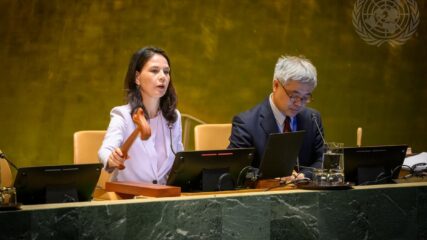
Seized by the severity of the Gaza war and nonmovement on a Palestinian-Israeli negotiating process, the U.N. offers a diplomatic road map to end the war and start negotiations. Led by France and Saudi Arabia, it asserts PA primacy as the legitimate Palestinian political representative, addresses possible Palestinian governance reform, seeks to empower a sovereign and economically viable state of Palestine living side by side in security with Israel, and contains other vague PA promises. Israel and the U.S. reject the Declaration. The Israeli government refuses to have outside parties determine the outlines or pace of negotiations with any country because negotiations impact Israeli security today and tomorrow.
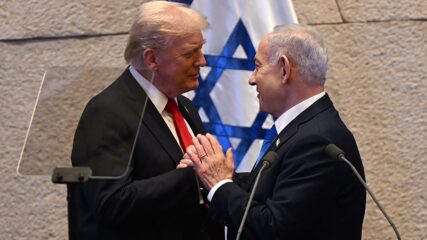
Donald Trump takes a victory lap and lays out short- and long-term visions for Gaza, Israel and the Middle East while becoming the fourth U.S. president to address the Knesset.
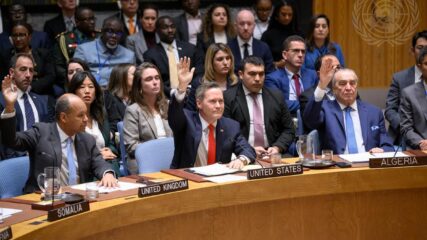
The U.N. Security Council voted 13-0 on November 17, 2025, to adopt Resolution 2803, endorsing the 20-point Trump peace plan to end the Hamas-Israel war. The precedent-setting resolution provides a pathway to stability in the Gaza Strip and offers a chance for less violence in the Palestinian-Israeli relationship.
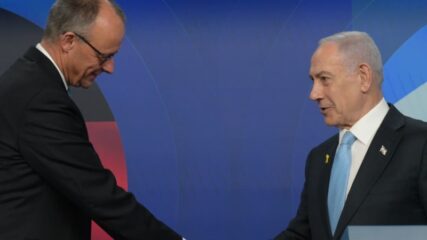
Chancellor Merz’s visit coincides with Germany signing the largest Israeli military arms export agreement, covering the Arrow 3, and his support of a two-state solution to the Palestinian-Israeli conflict. Netanyahu recalls centuries of efforts to annihilate Jews, including those in Germany and by Hamas, and says Israel will not give up military control of West Bank land.