Extraordinary Zionist Conference Begins at Biltmore Hotel in New York
The Biltmore Conference will set the framework for Zionist policy in the years during and after World War II.

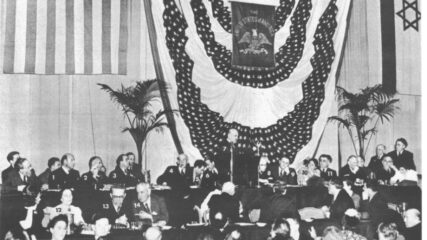
The Biltmore Conference will set the framework for Zionist policy in the years during and after World War II.

The 1939 White Paper signaled Britain’s readiness to relegate the Jews in Palestine to minority status in a future majority-Arab state.
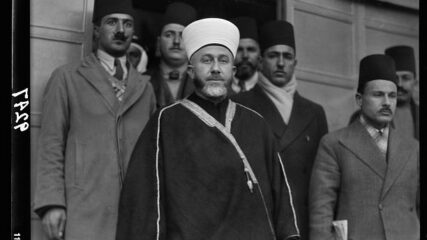
The Mufti has enormous power in his hands, yet he chooses non-engagement with the British, who controlled Palestine.
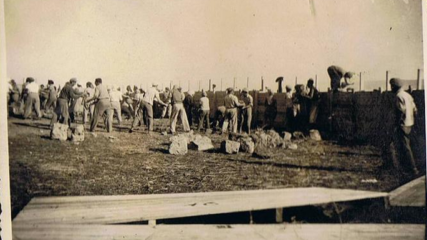
Kibbutz Kfar (Village) Ruppin is established under the framework of the “Tower and Stockade” movement in Zionism, which takes place primarily between 1936-1939.
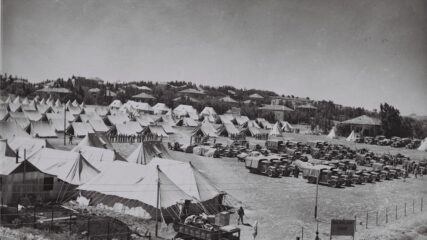
In the midst of the 1936-1939 Arab revolt, a debate over British policy in Mandatory Palestine is held in the House of Commons.

At the conclusion of a four-day conference in Cairo, Egypt, Arab leaders adopt the Resolutions of the Inter-Parliamentary Congress. The conference and resolutions are a response to the British Peel Commission Report of 1937.
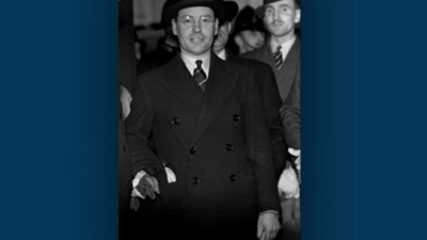
As part of the Zionist strategy to engage the British government in political negotiations, Chaim Weizmann airs his grievances against the British government for reversing their pro-Zionist policy.
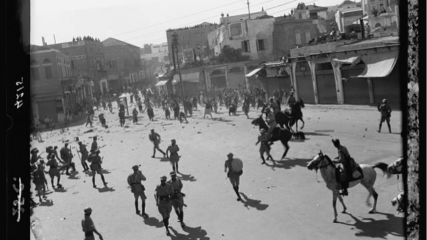
Violence between Jews and Arabs quickly escalated as Arab workers went on a six-month strike as violence erupted in different parts of British-ruled Palestine.
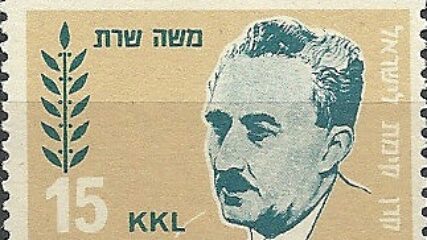
Zionist leaders debate how to confront proposed British restrictions on Jewish land purchase in Palestine.
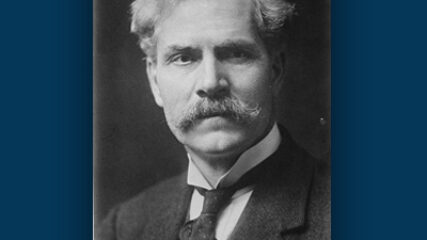
The White Paper contained distinct threats to the geography of the Jewish National Home. The subsequent nine years saw unprecedented growth of Jewish demographic and physical presence in Palestine.

In a diary entry, Frederick Kisch, the head of the Political Department of the Jewish Agency, notes that most Arab leaders “recognize that the policy of non-cooperation with the Government has been a failure.”
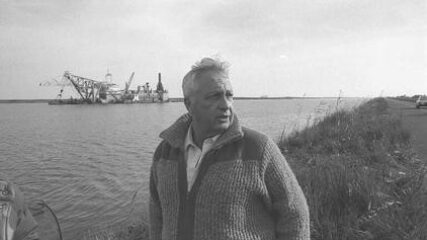
Ariel Sharon, Israel’s 11th Prime Minister, is born in K’far Malal (near Hod Hasharon). Born Ariel Scheinerman to political, socialist parents who had come to Eretz Yisrael during the Second Aliyah, Sharon joined the Haganah in 1945, serving in the War of Independence.
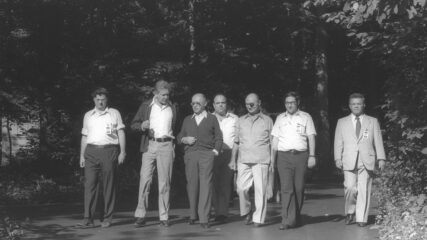
November 9, 1924 Avraham Tamir, a military strategic mastermind who rises to the rank of major general, is born. He is one of the first Israeli officials to meet with PLO Chairman Yasser Arafat and…
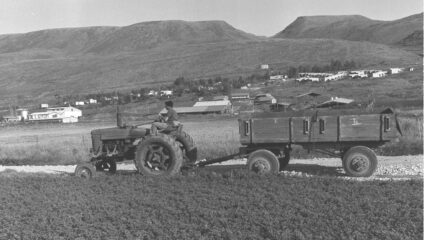
In border designations for states drafted primarily by Britain and France after WWI, the new state of Syria gains control of the Golan Heights.
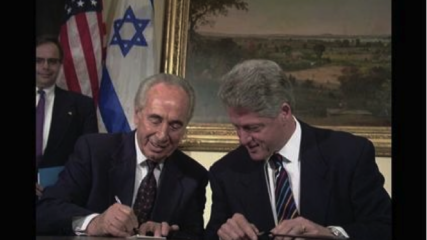
The only politician in Israeli history to hold the positions of both President and Prime Minister, Shimon Peres is born in Belorussia to Yitzchak and Sara Perski.
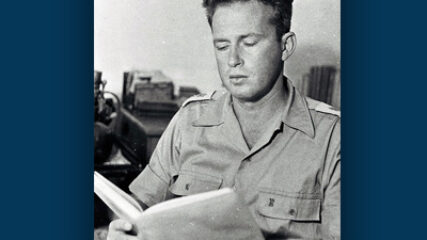
Yitzhak Rabin, Israel’s 5th Prime Minister, is born in Jerusalem to parents who came to Israel during the Third Aliyah. He is the first Israeli Prime Minister to be born in Eretz Yisrael.
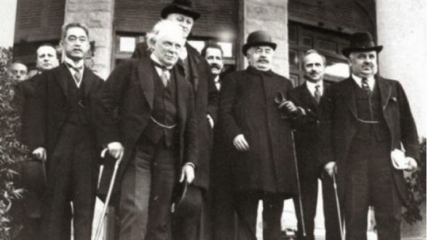
British Prime Minister David Lloyd George asks Herbert Samuel to become the first High Commissioner of Palestine.
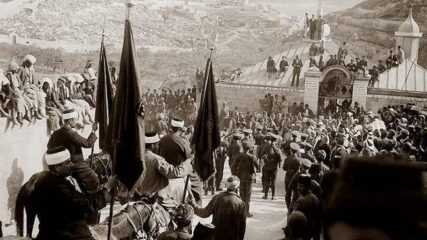
A Muslim pilgrimage festival erupts into violence against Jews in Jerusalem, leaving nine dead and hundreds wounded.
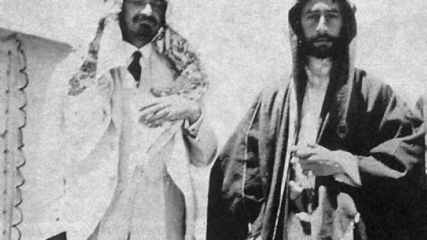
Emir Faisal, son of Sharif Husayn of Mecca, and Chaim Weizmann, Zionist diplomat and leader, sign the Faisal-Weizmann agreement. It is an agreement of mutual respect and cooperation between Arabs and Jews in the Middle East.
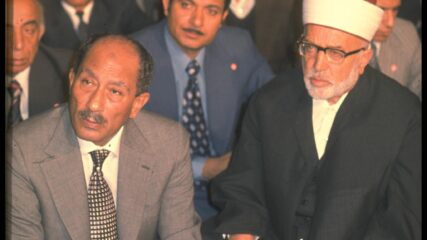
Born into a family of thirteen children in Mit Abu al-Kum, Egypt, Sadat is a member of the Free Officers movement that overthrew Egypt’s monarchy in 1952. As Egypt’s President, he signs a historic peace agreement with Israel in 1979.
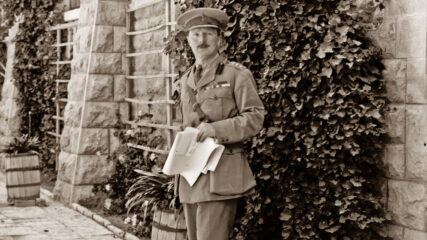
British General Edmund Allenby appoints Ronald Storrs as Military Governor of Jerusalem.

A secret treaty is negotiated to divide the former Ottoman territories between Britain and France.
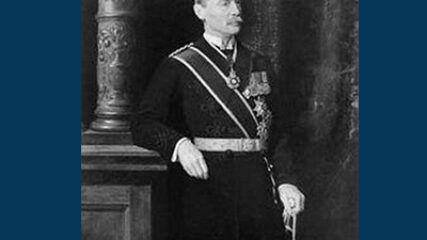
The Husayn-McMahon correspondence commences between the Arab leader Husayn bin-Ali and the British government official Sir Henry McMahon.
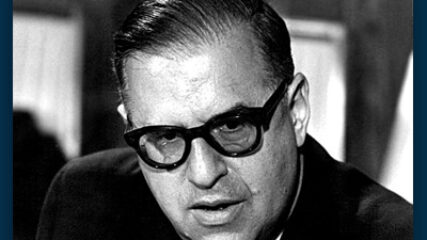
Israeli politician, diplomat, historian, and writer Abba Eban is born in Cape Town, South Africa.
