Britain to Seek U.N. Help on PalestineCIE+
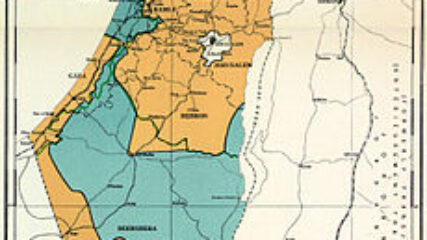
The British respond to rising violence in Mandatory Palestine by asking the United Nations to figure out what to do.
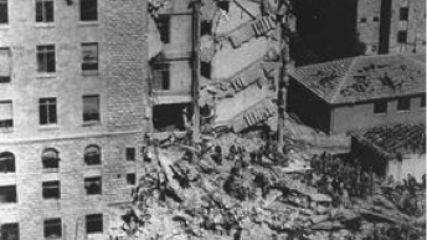
Members of the Irgun, a Jewish military organization that is absorbed into the IDF during the 1948 War, bomb the British administrative headquarters in Palestine, based in the King David Hotel in Jerusalem. Twenty-eight British, forty-one Arabs, and seventeen Jews are killed.
November 1, 1945 The newly formed Jewish Resistance Movement sets off explosions at more than 150 sites along the railway system of British Mandatory Palestine and blows up three British gunboats in the Jaffa and…
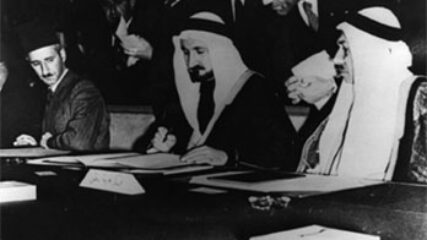
The Arab League Constitution is signed in a ceremony marked by speeches from representatives of each of the six signatory states.
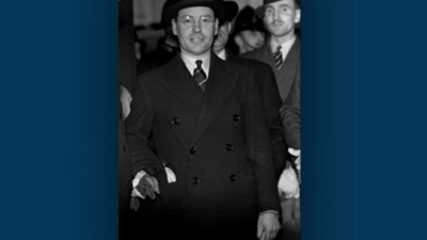
Rattled by numerous attempts on his life, and fearing for the safety of his family, MacMichael steps down in August 1944.
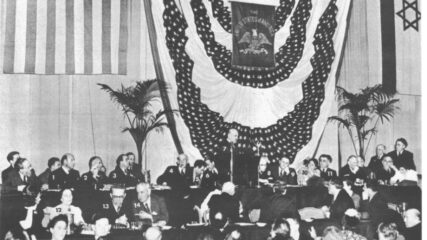
The Biltmore Conference will set the framework for Zionist policy in the years during and after World War II.
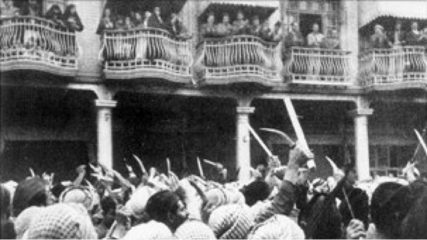
Fueled in part by the brief rule of a pro-Nazi party after a coup, Baghdad erupts in anti-Jewish violence known as the Farhud.
The 1939 White Paper signaled Britain’s readiness to relegate the Jews in Palestine to minority status in a future majority-Arab state.
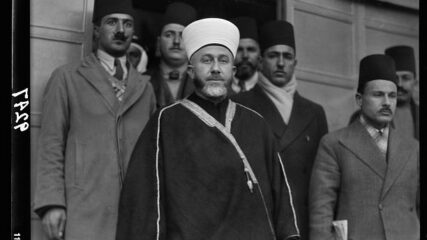
The Mufti has enormous power in his hands, yet he chooses non-engagement with the British, who controlled Palestine.
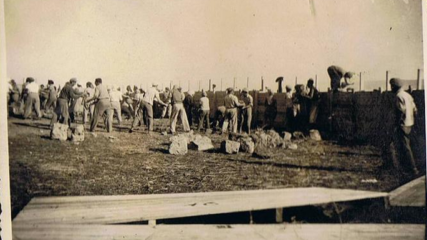
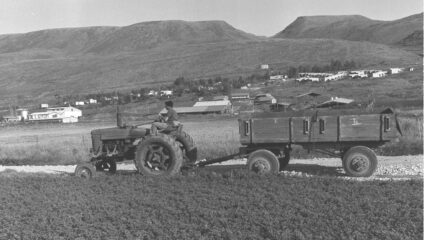
Kibbutz Kfar (Village) Ruppin is established under the framework of the “Tower and Stockade” movement in Zionism, which takes place primarily between 1936-1939.
In the midst of the 1936-1939 Arab revolt, a debate over British policy in Mandatory Palestine is held in the House of Commons.
At the conclusion of a four-day conference in Cairo, Egypt, Arab leaders adopt the Resolutions of the Inter-Parliamentary Congress. The conference and resolutions are a response to the British Peel Commission Report of 1937.
As part of the Zionist strategy to engage the British government in political negotiations, Chaim Weizmann airs his grievances against the British government for reversing their pro-Zionist policy.
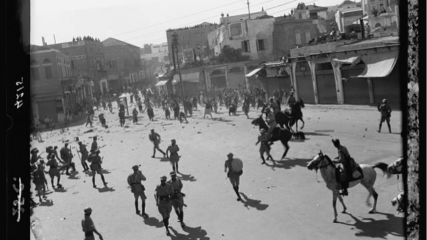
Violence between Jews and Arabs quickly escalated as Arab workers went on a six-month strike as violence erupted in different parts of British-ruled Palestine.
Zionist leaders debate how to confront proposed British restrictions on Jewish land purchase in Palestine.
The White Paper contained distinct threats to the geography of the Jewish National Home. The subsequent nine years saw unprecedented growth of Jewish demographic and physical presence in Palestine.
In a diary entry, Frederick Kisch, the head of the Political Department of the Jewish Agency, notes that most Arab leaders “recognize that the policy of non-cooperation with the Government has been a failure.”
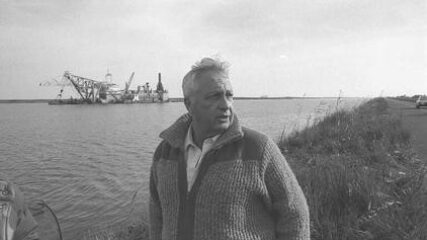
Ariel Sharon, Israel’s 11th Prime Minister, is born in K’far Malal (near Hod Hasharon). Born Ariel Scheinerman to political, socialist parents who had come to Eretz Yisrael during the Second Aliyah, Sharon joined the Haganah in 1945, serving in the War of Independence.
November 9, 1924 Avraham Tamir, a military strategic mastermind who rises to the rank of major general, is born. He is one of the first Israeli officials to meet with PLO Chairman Yasser Arafat and…
In border designations for states drafted primarily by Britain and France after WWI, the new state of Syria gains control of the Golan Heights.
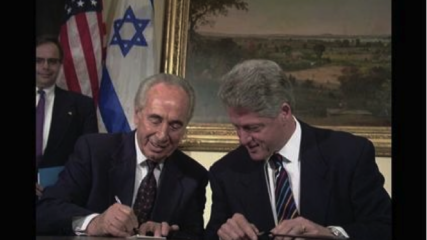
The only politician in Israeli history to hold the positions of both President and Prime Minister, Shimon Peres is born in Belorussia to Yitzchak and Sara Perski.
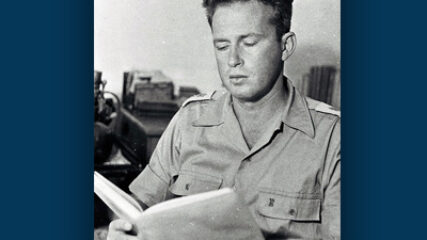
Yitzhak Rabin, Israel’s 5th Prime Minister, is born in Jerusalem to parents who came to Israel during the Third Aliyah. He is the first Israeli Prime Minister to be born in Eretz Yisrael.
Yosef Haim Brenner, a pioneer of Modern Hebrew Literature, is murdered by an Arab gang during the 1921 Jaffa Riots.
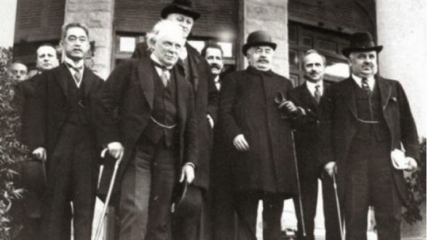
British Prime Minister David Lloyd George asks Herbert Samuel to become the first High Commissioner of Palestine.