Cards List
FILTERED BY:
<span class="cie-plus-title">“The Intifada and the Uprisings of 1936-1939: A Comparison of the Palestinian Arab Communities”</span><span class="cie-plus-badge">CIE+</span>

“The Intifada and the Uprisings of 1936-1939: A Comparison of the Palestinian Arab Communities”CIE+

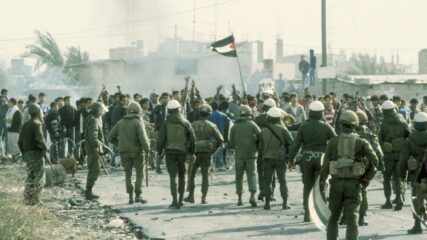
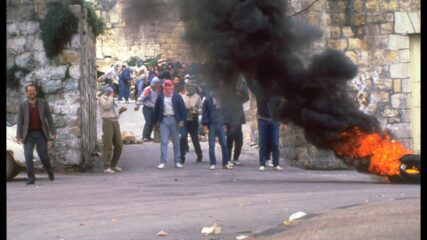
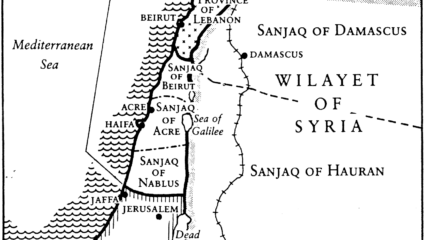
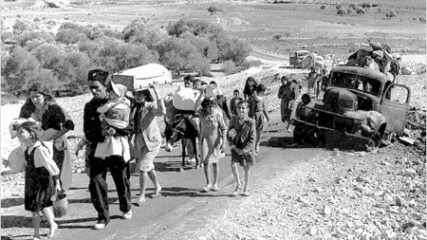
Comparing the 1936-39 Arab uprising in various parts of western Palestine and the intifada that began in 1987 in the West Bank, the Gaza Strip and East Jerusalem, the most striking conclusion is the large number of general similarities between these manifestations of Palestinian national consciousness. The two most significant differences, however, are that the 1987 intifada generated a deeper and more prolonged Palestinian national coherence across all classes than did its predecessor and clarified and crystallized Palestinian opinion, which helped create a historic compromise in Palestinian public policy.

<span class="cie-plus-title">October 27, 1973, “The Link Between War and Diplomacy: The Kilometer 101 Talks After the October 1973 War”</span><span class="cie-plus-badge">CIE+</span>

October 27, 1973, “The Link Between War and Diplomacy: The Kilometer 101 Talks After the October 1973 War”CIE+

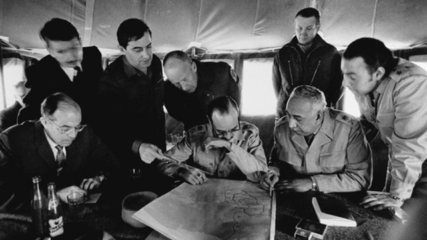
Ken Stein explains in detail how Egyptian and Israeli leaders coached their generals into reaching an understanding on how their troops would be disengaged after the war. On that day, a German-born Egyptian career foreign service officer, Omar Sirry was told to pack his toothbrush and go to meet several Israelis along with other Egyptians at the 101 Kilometer marker for talks.

<span class="cie-plus-title">The 1973 October War — A Short History</span><span class="cie-plus-badge">CIE+</span>

The 1973 October War — A Short HistoryCIE+

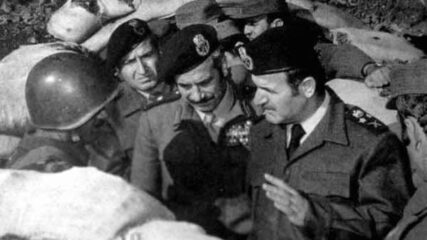
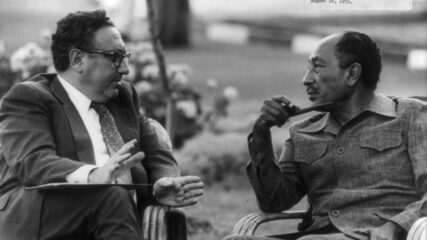
Egyptian President Sadat colluded with Syrian President Assad to attack Israel on October 6, 1973. Sadat’s objective was not to seek Israel’s destruction but to gain a limited success by crossing the canal. He also sought to engage American diplomacy to generate talks with Israel that would see Israeli withdrawal from Egyptian land Israel secured in the June 1967 War. Sadat took a large gamble by attacking Israel yet he unfolded a negotiating process with Israel that lasted through 1979. He achieved his overarching long-term priority of having Egyptian Sinai returned to Egyptian sovereignty.

Explainer: The Arab-Israel War of 1948 — A Short History

Explainer: The Arab-Israel War of 1948 — A Short History

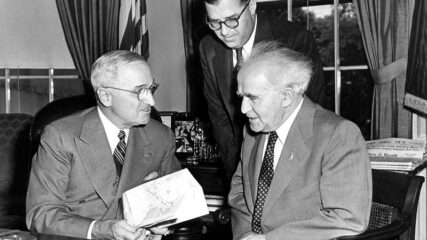
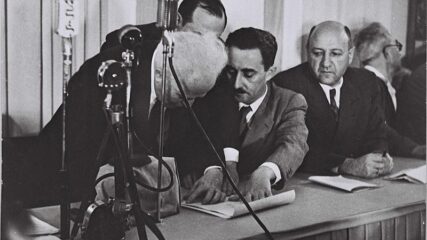
Otherwise known as Israel’s War of Independence, or, “the nakbah” or disaster to the Arab world because a Jewish state was established, the war was fought between the newly established Jewish state of Israel opposed by Palestinian irregulars, and armies from five Arab states. Official beginning of the war is usually given as May 14, 1948, the date Israel declared itself an independent Jewish state, but the war’s first of four phases began in November 1947. Lasting for two years, the war ended with armistice agreements signed in 1949 between Israel and four Arab states.