Ambassador Gideon Rafael Addresses U.N. Security Council, June 1967 CIE+ members only
The Israeli ambassador to the United Nations delivers a detailed outline of events that will lead to war two days later.


The Israeli ambassador to the United Nations delivers a detailed outline of events that will lead to war two days later.
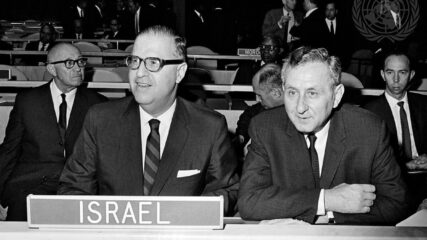
Ambassador Abba Eban tells the U.N. why Israel had to fight the war earlier in June 1967 and calls for new efforts for regional peace.
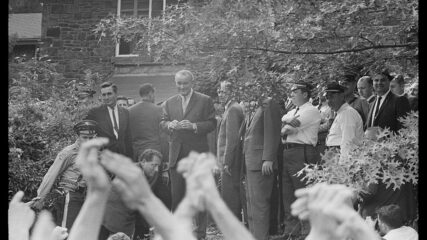
President Johnson’s remarks became the philosophical outline for UN Resolution 242 passed in November 1967. Core to his view was that Israel would not need to return to the pre-1967 war borders, and that the territorial integrity and sovereignty of all states in the region should be protected.
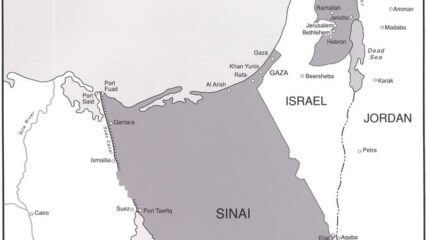
Resolution 242 calls for Israeli withdrawal from unspecified captured territories in return for the right of all states to live in peace. It does not call for a full withdrawal. It is the basis for treaties with Egypt (1979) and Jordan (1994) and for PLO recognition of Israel (1993).

January 9, 2025 WSB radio veteran Scott Slade interviewed CIE President Ken Stein about President Jimmy Carter and the Camp David peace process for a “Scott Slade’s Georgia” piece that aired just hours before Carter’s…
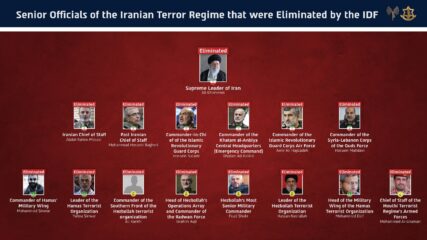
While too much is unknown after a week of fighting to make definitive statements about the war, certain possible outcomes can be explored.
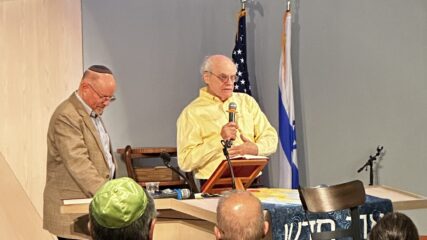
Washington Institute Senior Fellow Michael Eisenstadt speaks about the regional effects of the 2023-2025 Hamas-Israel war and the ongoing U.S.-Israel-Iran war in March 2026.
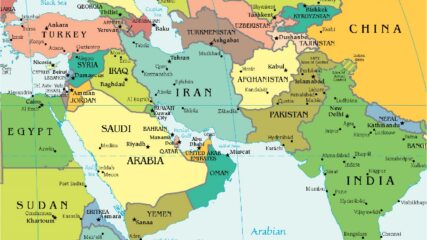
Iran’s move to assert sovereignty over the Strait of Hormuz has short- and long-term implications for the Islamic regime and the world economy.
