Cards List
FILTERED BY:
<span class="cie-plus-title">Great Powers, the Middle East and the Cold Wars</span><span class="cie-plus-badge">CIE+</span>

Great Powers, the Middle East and the Cold WarsCIE+

The clash of great powers to control the Middle East, particularly between the U.S. and the U.S.S.R., neither began after World War II nor ended with the demise of the Soviet Union in 1991. Today, China, the U.S., Russia and Middle Eastern regional powers vie to influence everyday politics and resources.

Issues and Analyses|August 9, 2020
<span class="cie-plus-title">October 27, 1973, “The Link Between War and Diplomacy: The Kilometer 101 Talks After the October 1973 War”</span><span class="cie-plus-badge">CIE+</span>

October 27, 1973, “The Link Between War and Diplomacy: The Kilometer 101 Talks After the October 1973 War”CIE+

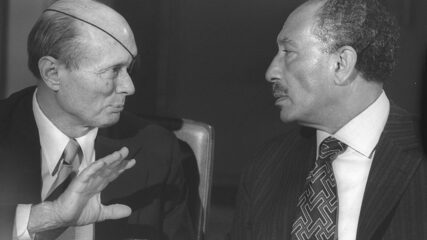
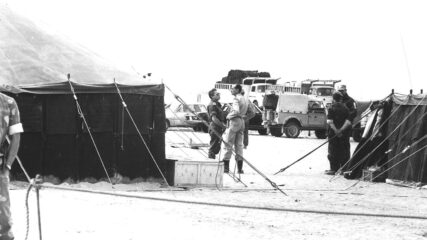
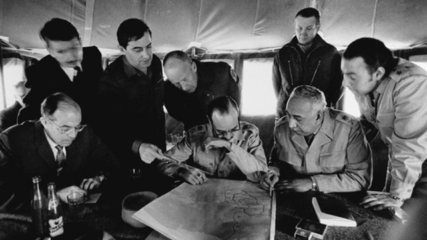
Ken Stein explains in detail how Egyptian and Israeli leaders coached their generals into reaching an understanding on how their troops would be disengaged after the war. On that day, a German-born Egyptian career foreign service officer, Omar Sirry was told to pack his toothbrush and go to meet several Israelis along with other Egyptians at the 101 Kilometer marker for talks.

<span class="cie-plus-title">The 1973 October War — A Short History</span><span class="cie-plus-badge">CIE+</span>

The 1973 October War — A Short HistoryCIE+

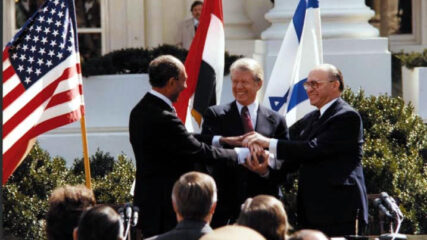
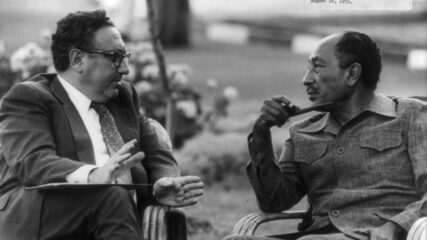
Egyptian President Sadat colluded with Syrian President Assad to attack Israel on October 6, 1973. Sadat’s objective was not to seek Israel’s destruction but to gain a limited success by crossing the canal. He also sought to engage American diplomacy to generate talks with Israel that would see Israeli withdrawal from Egyptian land Israel secured in the June 1967 War. Sadat took a large gamble by attacking Israel yet he unfolded a negotiating process with Israel that lasted through 1979. He achieved his overarching long-term priority of having Egyptian Sinai returned to Egyptian sovereignty.