Strait of Hormuz: A Struggle to Determine Iran’s Strength TomorrowCIE+
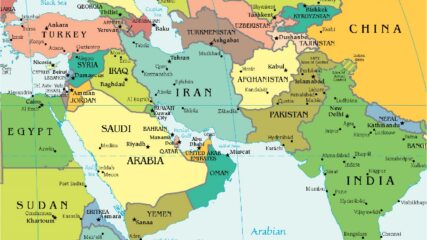
Iran’s move to assert sovereignty over the Strait of Hormuz has short- and long-term implications for the Islamic regime and the world economy.
For those looking for the best reads and watches on Iran and its relations with Israel, the United States and the Jewish people, CIE has compiled analyses, videos, documents and books.
While too much is unknown after a week of fighting to make definitive statements about the war, certain possible outcomes can be explored.
January 2, 2026 A week of unrest in Iran does not guarantee a revolution even if 85-plus million Iranians are angry at the country’s autocratic, theological rulers. Iran is a security-clerical oligarchy where kleptocracy, cronyism…
January 9, 2025 By Dr. Kenneth Stein, Emeritus Professor, Emory University As the 39th president of the United States, James Earl Carter held office from 1977 to 1981. Carter was the longest-surviving former United States president…
Former US President Jimmy Carter embraced Hamas as a legitimate voice of the Palestinian people. His motivations possibly stretched from intentional to misguided to malevolent. Hamas leaders who were engaged in inter-Palestinian struggles remained pleased with the recognition he gave them. American officials and Israelis were keenly perturbed by the courtship he gave them.
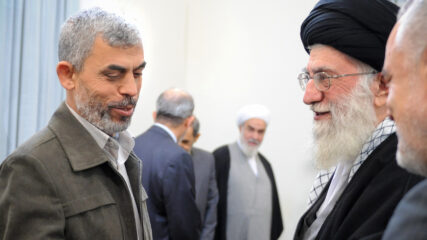
Yahya Sinwar, the Hamas leader in Gaza and mastermind of the October 7 attack, repeatedly expressed his desire to destroy Israel and his gratitude for Iran’s support.
In the interest of securing any deal rather than the right deal – politics over principle – the president and the diplomats he sent to negotiate seem to have forgotten or perhaps never learned why Iran must not get a nuclear weapon.