Geneva Middle East Peace Conference Opens
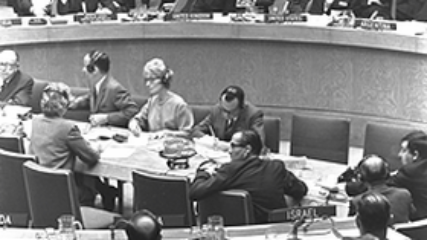
Convened under the co-chairmanship of the United States and Soviet Union, the Geneva Middle East Conference is “aimed at establishing a just and durable peace in the Middle East.”
The Kilometer 101 Six-Point Agreement focuses on the maintenance of a cease-fire between Israeli and Egyptian forces, the movement of non-military supplies, the use of U.N. supervision, and exchange plans for prisoners of war.
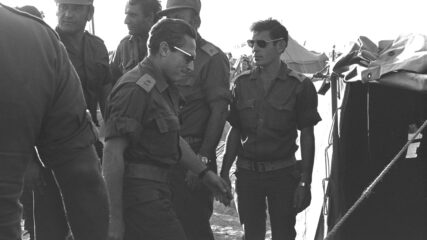
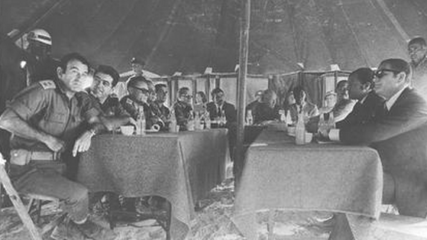
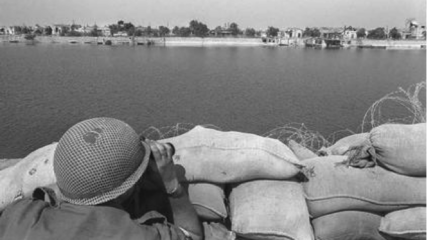
At the end of the October 1973 War, after several miscommunications, the first Egyptian-Israeli Military Talks between Generals commenced. These talks take place at 1am in Israeli-controlled territory, 101 kilometers from Cairo.
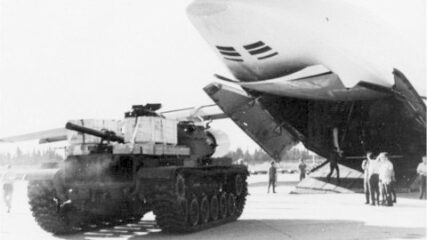
Oil ministers from Arab states cut exports by 5% and recommend an embargo of Israel’s allies in response to the U.S. airlift of military supplies to Israel during the Yom Kippur War.
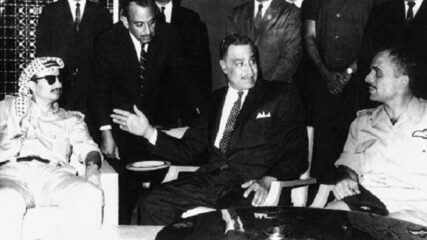
September 28, 1970 Egyptian President Gamal Abdel Nasser dies of a heart attack at age 52 after experiencing symptoms while returning from ceremonies marking the end of an Arab summit, in which he brokered a…
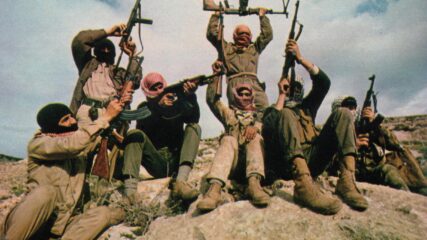
September 17, 1970 King Hussein sends the Jordanian army to attack the headquarters of Palestinian militant groups in and around the capital, Amman, and the city of Irbid, where the militants, known as fedayeen, had…
Israel, Jordan and Egypt finally signed a ceasefire, ending the 1967-1970 War of Attrition.
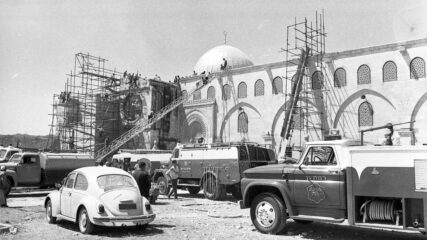
August 21, 1969 A new immigrant to Israel, Denis Michael Rohan, sets fire to Al-Aqsa mosque in Jerusalem. Born and raised in Australia, Rohan moved to Israel only a few months before the attack. He…
April 4, 1968 Moshe Levinger and several other Israeli Jews pretending to be Swiss tourists check into a Hebron hotel to establish the first permanent Jewish presence in the city in almost 40 years, taking…
In the wake of the June 1967 Six Day War, the United Nations Security Council adopts Resolution 242, a document which has served as a framework for all major Arab/Israel negotiations since.
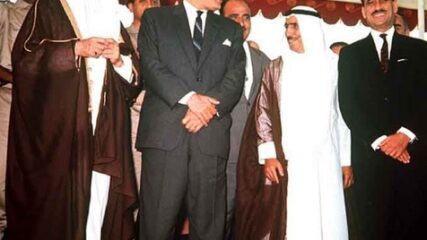
The Fourth Arab League Summit convenes in Khartoum, Sudan. Participants agree that all measures should be taken to regain lands controlled by Israel after the War, and that the oil-rich countries would finance an increased Arab military presence in the region.
The Palestine Liberation Organization (PLO) is established during a Palestinian National Council meeting of nearly 400 delegates convened by King Hussein of Jordan.
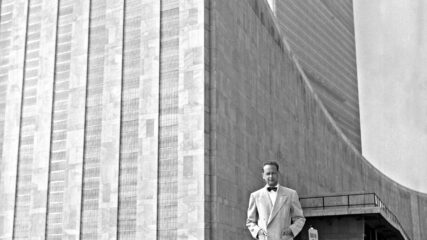
April 8, 1960 U.N. Secretary-General Dag Hammarskjold for the first time publicly criticizes Egypt’s confiscation of Israeli cargo on ships going through the Suez Canal. The Egyptian closure of the Straits of Tiran and the…
May 26, 1958 Four Israeli police officers and the chairman of the United Nations’ Israel-Jordan Mixed Armistice Commission are fatally shot by Jordanian fire in the demilitarized zone on Mount Scopus in Jerusalem. Both Israel…
In a nationally televised address to the American people, President Dwight Eisenhower discusses the tense situation in the Middle East in the aftermath of the October 1956 Suez War.
August 26, 1955 Secretary of State John Foster Dulles delivers a speech to the Council on Foreign Relations that points to the Eisenhower administration’s new plan to launch covert discussions between Israeli Prime Minister David…
Two Israeli paratrooper platoons made up of approximately fifty IDF soldiers storm an Egyptian army camp in Gaza. The raid is a reprisal for continued fedayeen (Palestinian militants) attacks against Israeli civilians.
April 17, 1954 Gamal Abdel Nasser, 36, is appointed the prime minister of Egypt. Nasser’s interest in politics goes back to age 12 when he accidentally participated in an ultranationalist protest calling for the overthrow…
September 2, 1953 Israel starts work on a project to divert some of the water of the Jordan River at the B’not Yaakov (Daughters of Jacob) Bridge in the north of the state for use…
May 11, 1953 U.S. Secretary of State John Foster Dulles arrives in Cairo at the start of a 2½-week fact-finding trip to Egypt, Israel, Jordan, Syria, Lebanon, Iraq, India, Pakistan, Turkey and Libya. Dulles emphasizes…
Shaikh Yusuf Yassin, Saudi Arabia’s Deputy Foreign Minister, states that “Arab states would never agree to any working relationship with Israel.”
March 3, 1950 The Iraqi government retracts a policy banning emigration to move to Israel, on the condition that Jews give up their Iraqi citizenship when they leave the country. In addition, those who previously…
December 13, 1949 Prime Minster David Ben-Gurion appoints Reuven Shiloah, a former Jewish Agency official and a Foreign Ministry special operations adviser, to establish and lead the Institute for Collating and Coordinating Intelligence Operations, the…
December 5, 1949 Prime Minister David Ben-Gurion declares in a Knesset speech that “Jewish Jerusalem is an organic, inseparable part of the state of Israel” and that Israel rejects any attempt by the United Nations…