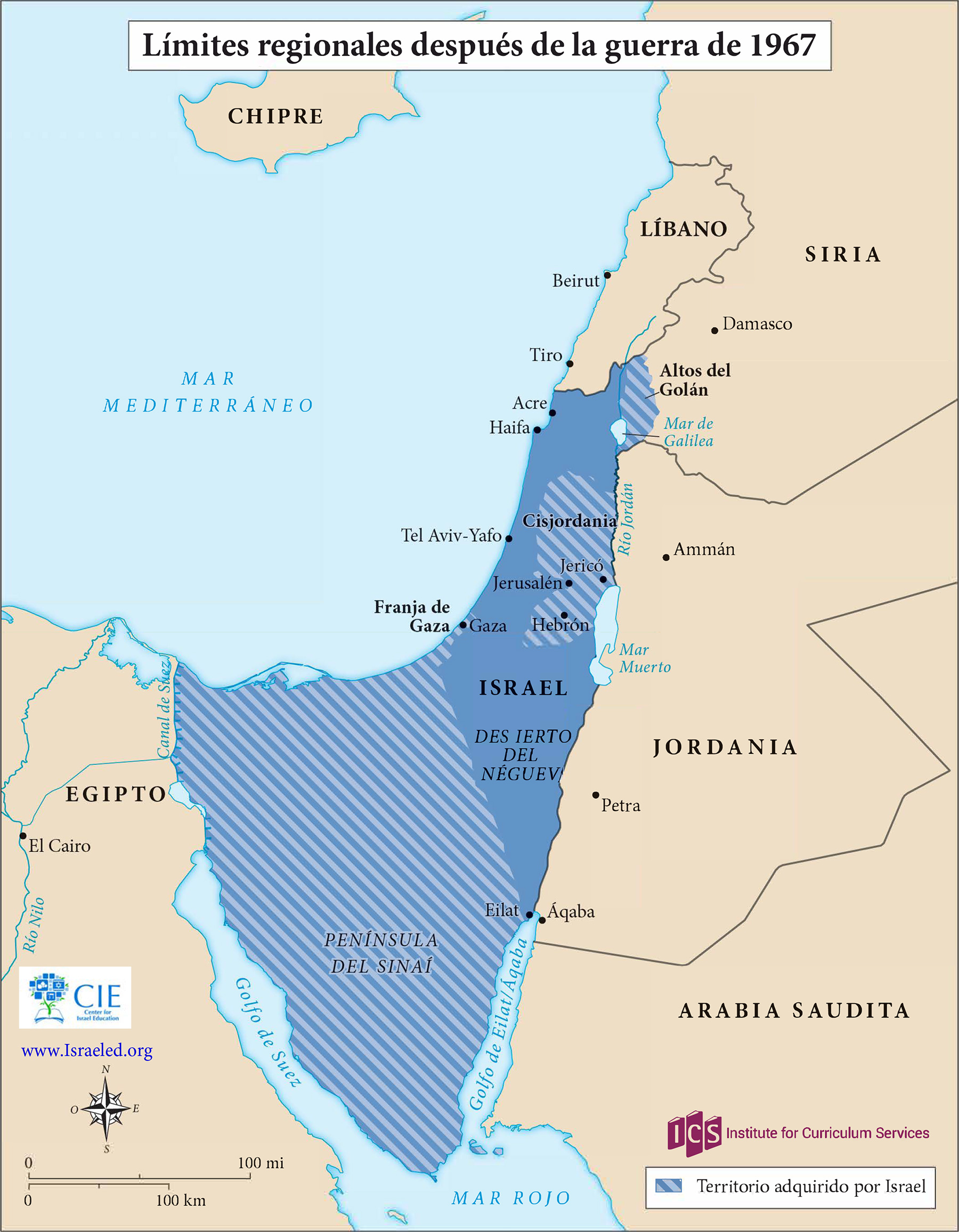
From June 5 to 10, 1967, Israel fought its biggest Arab neighbors in an existential war often called the Six-Day War.
Israel pre-emptively struck Egypt the morning of June 5 after three weeks of rising tension. Egypt had forced the United Nations to withdraw its Sinai peacekeepers, dispatched some 80,000 troops into the peninsula, cut off the Straits of Tiran and blockaded Israeli shipping to Eilat, and delivered blistering verbal barrages promising Israel’s destruction. Israel then turned north against Syria and, when King Hussein refused Israeli pleas to stay out of it, eastward against Jordan.
Unexpectedly, Israel tripled its size, capturing the Sinai Peninsula and Gaza Strip from Egypt, the Golan Heights from Syria, and eastern Jerusalem and the West Bank of the Jordan River from Jordan. Israel had not planned on the advances to the north or east.
The smashing victory gave Israelis and Diaspora Jewry cause to celebrate 22 years after the end of the Holocaust and 19 years after Jerusalem was divided and access to the Western Wall and other holy sites was cut off.
But Israel also found itself in control of more than 1 million Palestinians in Jerusalem, the West Bank and Gaza. Egypt, Syria and Jordan refused postwar overtures for peace talks, and the Arab League in September declared no recognition, no negotiations and no peace for Israel.
In November, the United Nations and United States defined a framework for negotiations that called for exchanges of land for peace.
Israel’s control of Sinai and Egypt’s loss of national honor prompted Egyptian President Anwar Sadat to launch another war against Israel in October 1973 but also to open an American diplomatic door, leading to the 1979 Egyptian-Israeli peace treaty.
The June 1967 Middle East War transformed Israeli, Jewish, and Middle Eastern History. In the span of six weeks, in May and June 1967, Israel, its neighbors and the international community were engulfed with varying emotions including admonition, arrogance, audacity, astonishment, bravado, boasting, daring, euphoria, fears of annihilation, hesitation, humiliation, indecision, miscalculation, pride, procrastination, relief, resignation, self-doubt, self-importance, and tension.
Capturing these moments as well as the prelude and aftermath of the War dominate the contents of The June 1967 War: How It Changed Jewish, Israeli and Middle Eastern History in both the Leader’s Guide and Participant Booklet.
- Suitable for those with varying knowledge levels. Valuable for those traveling to Israel, for easy use in summer camps, and in adult education, college, and high school settings.
- The Leader’s Guide − 111 pages; Participant Booklet− 117 pages
- Adaptable for use in three 75-minute sessions, five 45-minute sessions, or more
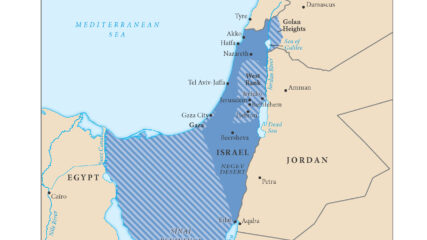
With its six-day victory in the June 1967 war, Israel added the Sinai Peninsula, the Gaza Strip, the Golan Heights and the West Bank (Judaea and Samaria) to the territory under its control. Israelis moved…

From the Israel Government Yearbook, an 11 page description of the June War.

The Israeli ambassador to the United Nations delivers a detailed outline of events that will lead to war two days later.
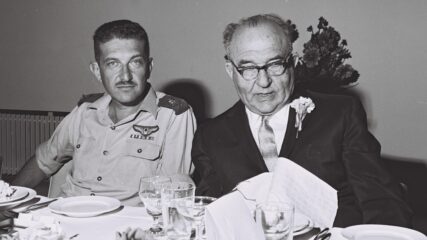
Two days after the conclusion of the June 1967 War, Eshkol, recounts the series of events that led to war, the war itself and the immediate aftermath. He reaches out to Arab states for peace seeking a path to peace with her belligerent neighbors. A week later, Israel will quietly messages Cairo and Damascus through the US, hat Israel seeks an end to the conflict. No answers are received.
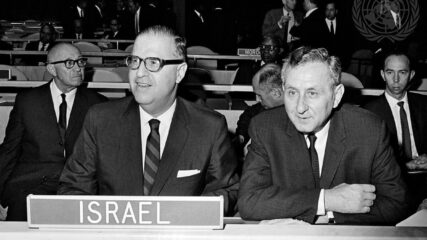
Ambassador Abba Eban tells the U.N. why Israel had to fight the war earlier in June 1967 and calls for new efforts for regional peace.
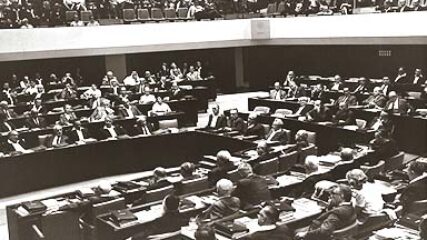
After the June 1967 war, the Israeli government sent word through the United States to Egypt and Syria seeking to jump-start a peace process. Apparently no response was received.
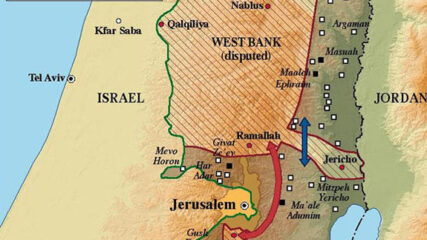
Yigal Allon’s plan for handling the areas captured from Jordan during the just-completed Six-Day War reflects Israel’s previous border vulnerability and seeks a West Bank arrangement that is not a strategic or geographic threat.

Arab states declare “no peace, no negotiation, no recognition” with Israel after their collective defeat in the June 1967 War.
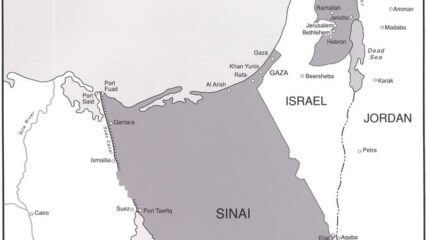
Resolution 242 calls for Israeli withdrawal from unspecified captured territories in return for the right of all states to live in peace. It does not call for a full withdrawal. It is the basis for treaties with Egypt (1979) and Jordan (1994) and for PLO recognition of Israel (1993).
A CIE-curated list of books and articles addressing the June 1967 Middle East war often known as the Six-Day War.