Israel-Egypt Separation of Forces Agreement, 1974CIE+
The U.S. mediates an agreement separating forces in Sinai after the October 1973 war. Egyptian and Israeli generals will negotiate additional details.

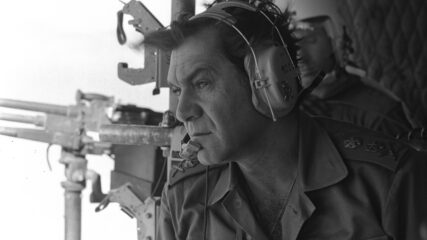
The U.S. mediates an agreement separating forces in Sinai after the October 1973 war. Egyptian and Israeli generals will negotiate additional details.
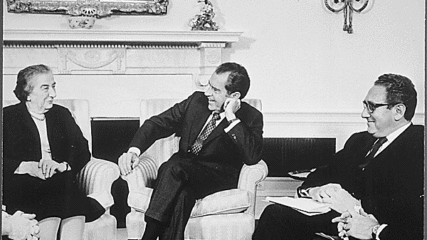
The US promises to implement an Egyptian-Israeli disengagement agreement and have the Suez Canal cleared. Israel sees eventual repopulation of Suez Canal cities as a sign that Egypt will not go to war again soon.
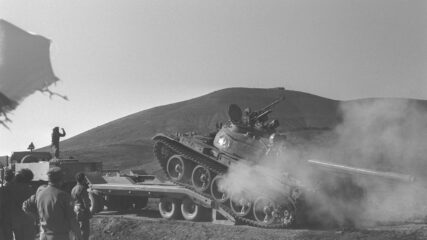
On the Golan Heights, Israel agrees to a limited withdrawal, and the United Nations places forces between the Syrian and Israeli armies. With few exceptions this border remains quiet for more than 40 years.
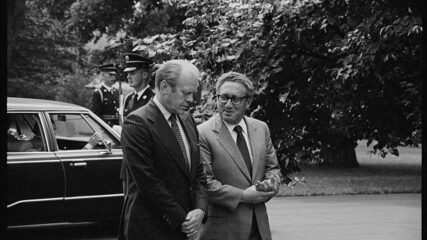
President Ford promises that the US will give “weight” to any future Israeli peace agreement with Syria that Israel should remain in the Golan Heights.

Cairo and Jerusalem agree to additional Sinai withdrawals, demilitarized zones, limited force zones and, importantly, placement of US civilians in Sinai to monitor observance of agreement.
The US promises coordination with Israel on resumed negotiations, not to negotiate or recognize
the PLO until it recognizes Israel’s right to exist, and accepts UNSC Resolutions 242 (1967) and 338 (1973).
For the first time a US State Department official states the “legitimate interests of the Palestinian Arabs must be taken into account in the negotiating of an Arab-Israeli peace.”
Outlining an Arab-Israeli settlement, the Brookings report calls for Israel to withdraw to “almost the pre-June War borders” and for “extensive Palestinian autonomy.” The Carter administration embraces the report for its foreign policy.
