<span class="cie-plus-title">Prime Minister Eshkol Statement to Knesset at Conclusion of June 1967 War</span><span class="cie-plus-badge">CIE+</span>

Prime Minister Eshkol Statement to Knesset at Conclusion of June 1967 WarCIE+

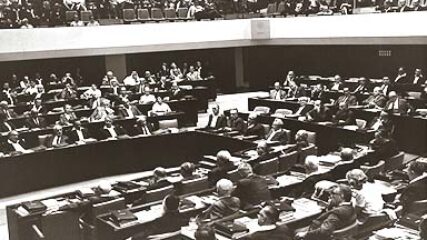
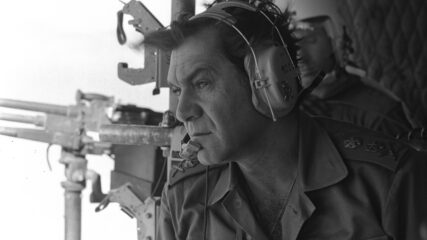
Two days after the conclusion of the June 1967 War, Eshkol, recounts the series of events that led to war, the war itself and the immediate aftermath. He reaches out to Arab states for peace seeking a path to peace with her belligerent neighbors. A week later, Israel will quietly messages Cairo and Damascus through the US, hat Israel seeks an end to the conflict. No answers are received.

Documents and Sources|June 12, 1967
<span class="cie-plus-title">The Allon Plan, 1967</span><span class="cie-plus-badge">CIE+</span>

The Allon Plan, 1967CIE+

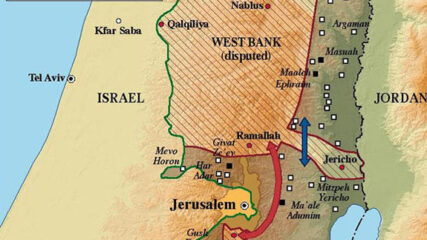
Yigal Allon’s plan for handling the areas captured from Jordan during the just-completed Six-Day War reflects Israel’s previous border vulnerability and seeks a West Bank arrangement that is not a strategic or geographic threat.

<span class="cie-plus-title">Transcript of Secret Talks Between Egyptian National Security Adviser Hafez Ismail and U.S. National Security Adviser Henry Kissinger, 1973</span><span class="cie-plus-badge">CIE+</span>

Transcript of Secret Talks Between Egyptian National Security Adviser Hafez Ismail and U.S. National Security Adviser Henry Kissinger, 1973CIE+

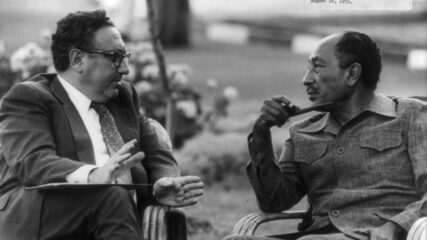
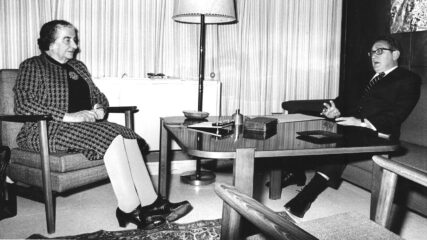
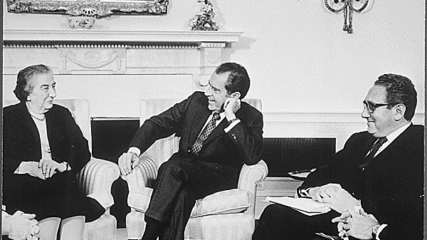
October 6, 2023, was the 50th anniversary of the outbreak of the October 1973 war. Six months prior, Egyptian President Sadat sent his national security adviser to meet with Secretary of State Kissinger to determine whether the U.S. would engage Egypt and Israel in serious mediation for a Sinai agreement, or a series of them, all focused on Israeli withdrawal and gradual acceptance of Israel. Kissinger did not take Sadat’s overtures seriously. Would American action then have avoided the October 1973 war? All informed analyses say no.

Documents and Sources|February 25-26, 1973
<span class="cie-plus-title">U.N. Security Council Resolution 338 on a Cease-Fire and Direct Negotiations After October 1973 War</span><span class="cie-plus-badge">CIE+</span>

U.N. Security Council Resolution 338 on a Cease-Fire and Direct Negotiations After October 1973 WarCIE+

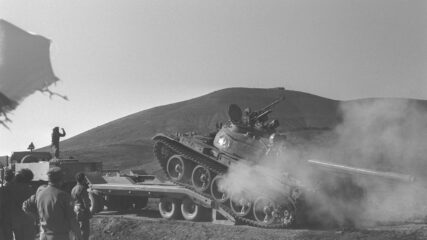
The October 1973 war broke the logjam over whether diplomacy could unfold to kick off Arab-Israeli negotiations. Sadat used the 1973 war as an engine to harness American horsepower. In that he succeeded because U.S. Secretary of State Kissinger saw Sadat’s leaning to Washington not only as a chance to begin useful negotiations, but also of great significance to weaning the Egyptian president away from Moscow.

Documents and Sources|October 22, 1973
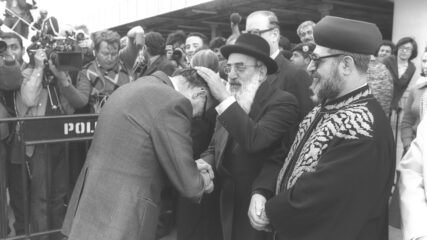
<span class="cie-plus-title">The Problem of Rafah: Prime Minister Menachem Begin’s Letter to Shlomo Goren, 1981</span><span class="cie-plus-badge">CIE+</span>

The Problem of Rafah: Prime Minister Menachem Begin’s Letter to Shlomo Goren, 1981CIE+

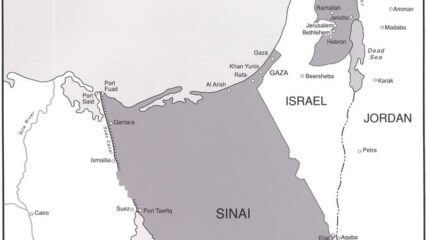
Prime Minister Menachem Begin argues for the return of Rafah to Egypt; the greater purpose is implementation of the Egyptian-Israeli Treaty, which also meant Israel”s withdrawal from settlements in Sinai near Rafah. Egypt in treaty negotiations with Israel, did not want to have the Gaza Strip again under their administration as they had between 1949 until after the June 1967 War

Documents and Sources|August 17, 1981