<span class="cie-plus-title">Joint Comprehensive Plan of Action (JCPOA) — Containing Iran’s Access to Nuclear Weapons, 2015</span><span class="cie-plus-badge">CIE+</span>

Joint Comprehensive Plan of Action (JCPOA) — Containing Iran’s Access to Nuclear Weapons, 2015CIE+

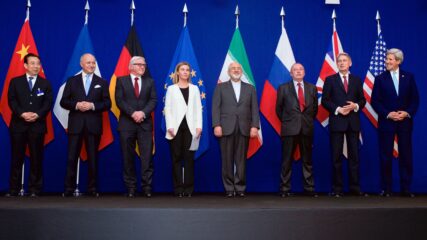
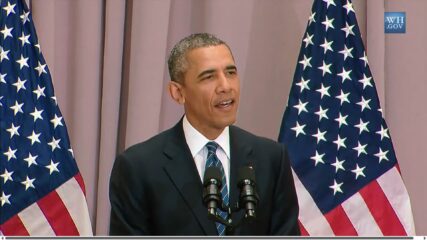
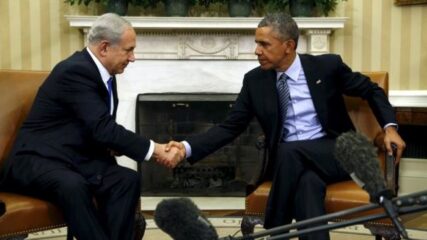
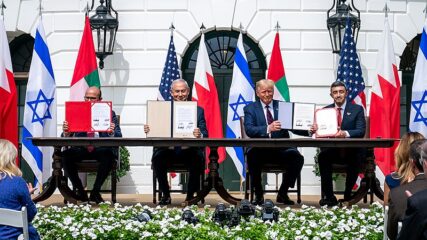
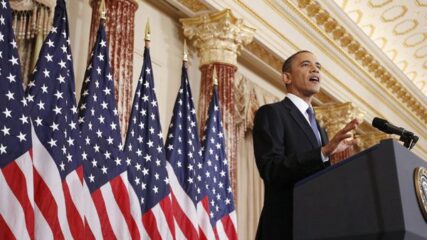
Under the deal between Iran and five world powers, Iran agreed to dismantle much of its nuclear program in exchange for billions of dollars of sanctions relief. Israel called the deal too lenient. On May 8, 2018, President Trump withdrew the U.S. from the JCPOA, calling it one of the “worst and most one-sided” agreements in U.S. history. Israel’s objectives in attacking Iran in June 2025 focused on the same central features Israel argued a decade earlier were not sufficiently addressed in the JCPOA.

<span class="cie-plus-title">President Trump’s Speech Recognizing Jerusalem as the Capital of Israel, 2017</span><span class="cie-plus-badge">CIE+</span>

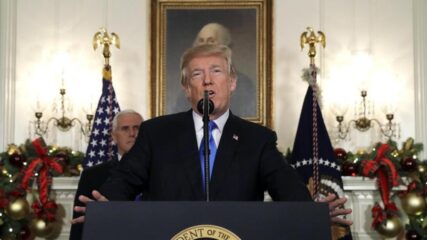
President Trump’s Speech Recognizing Jerusalem as the Capital of Israel, 2017CIE+

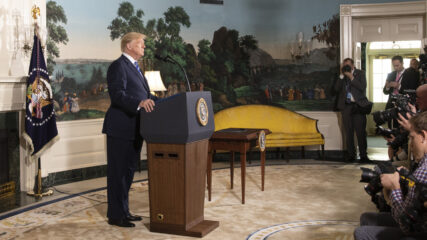
President Trump’s proclamation to “officially recognize Jerusalem as the capital of Israel” breaks precedent. In doing so, he incurs bipartisan support in the US congress, but a flurry of criticism from analysts, diplomats and foreign leaders. In his remarks, Trump rebukes claims that he disqualified the US as a “reliable mediator” in future Palestinian-Israeli negotiations.

Documents and Sources|December 6, 2017
<span class="cie-plus-title">Vice President Pence’s Speech to the Knesset, 2018</span><span class="cie-plus-badge">CIE+</span>

Vice President Pence’s Speech to the Knesset, 2018CIE+

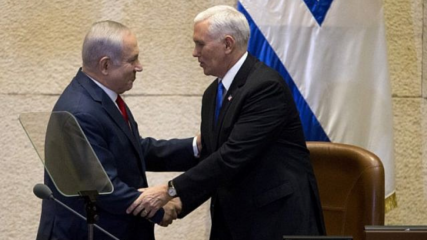
Vice President Pence firmly expresses American commitments to Israel’s security and commitment to the Arab-Israeli peace process. Palestinian Authority President Abbas and other Arab officials loudly criticize the speech and refuse to meet with Pence during his Middle East visit because of earlier US promise to recognize Jerusalem as Israel’s capital.

Documents and Sources|January 22, 2018
<span class="cie-plus-title">2020 Trump Peace Plan for Israel and the Palestinians</span><span class="cie-plus-badge">CIE+</span>

2020 Trump Peace Plan for Israel and the PalestiniansCIE+

The plan builds on previous proposals for a two-state solution to the Arab-Israeli conflict and contains a US-Israeli agreement that sets forth final borders for two states. The plan contains multiple prerequisites for Palestinian behavior before either the US or Israel might agree to Palestinian statehood as well as a proposed $50 economic development package to be allotted over a decade.

Documents and Sources|January 28, 2020
<span class="cie-plus-title">Mark Siegel Resignation Letter and Conversation With President Carter, 1978</span><span class="cie-plus-badge">CIE+</span>

Mark Siegel Resignation Letter and Conversation With President Carter, 1978CIE+

Siegel resigned over two matters: the administration’s policy of selling advanced fighter aircraft to Saudi Arabia and Egypt, which he believed a threat to Israel’s national security, and his sharp disagreement with the Carter White House for not allowing alternative views on policy matters to find their way to the President’s desk. Siegel’s detailed interview about the administration’s anti-Israeli viewpoints are explained here.

Documents and Sources|March 8 and 9, 1978
<span class="cie-plus-title">President Jimmy Carter, “The Camp David Accords,” Address to Congress, 1978</span><span class="cie-plus-badge">CIE+</span>

President Jimmy Carter, “The Camp David Accords,” Address to Congress, 1978CIE+

The Camp David accords culminated after thirteen days of intense negotiations between Israeli, Egyptian, and American delegations. Egyptian and Israeli leaders met with President Carter where after difficult negotiations they signed two accords, one an outline for an Egyptian-Israeli Treaty and one for Palestinian self-rule. The negotiations continued for another six months until the Egyptian-Treaty was signed in March 1979, after considerable bad feeling was tossed back and forth between Israeli and American negotiators.

Documents and Sources|July 26, 2023
<span class="cie-plus-title">Jordan’s Abdullah Sees Middle East “Finish Line” From Trump White House, 2025</span><span class="cie-plus-badge">CIE+</span>

Jordan’s Abdullah Sees Middle East “Finish Line” From Trump White House, 2025CIE+

Abdullah II remains studiously noncommittal in support of Donald Trump’s idea for the U.S. to take over the Gaza Strip, rebuild it and relocate its Palestinian residents to other countries. With Jordan’s strong economic, strategic and defense ties to Washington, no one expected the king to be effusive for Trump’s suggestions for Gaza’s future. Jordan lacks the economic and demographic absorptive capacities and the political interest to take another wave of Palestinians into its territory.

Documents and Sources|February 11, 2025