1951 U.N. Report, “The Situation of Jews in Moslem Countries”

1951 U.N. Report, “The Situation of Jews in Moslem Countries”

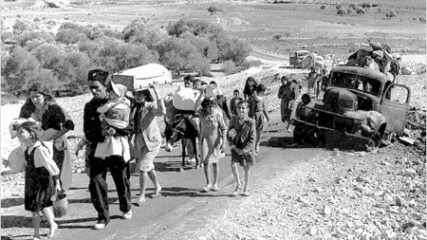
This report submitted to the United Nations at the end of 1951 notes that “some one million Jews have become the victims of accelerated antiSemitism” since 1948 in the Muslim countries of the Arab League and North Africa, “communities which have existed for thousands of years.” The report analyzes the situation for Jews overall and explains restrictions and oppressive measures country by country.

Documents and Sources|December 1951
Yigal Allon, Lessons From the War of Independence, 1948

Yigal Allon, Lessons From the War of Independence, 1948CIE+

With crisp analysis, Haganah Commander Yigal Allon, later a Prime Minister of Israel attributes Israel’s successes to multiple factors including the absence of a centralized Arab command, limited Arab military training, underestimating the potential fighting capabilities of local Arabs, and Israel’s success in integrating its citizens into the war effort.

The Allon Plan, 1967

The Allon Plan, 1967CIE+

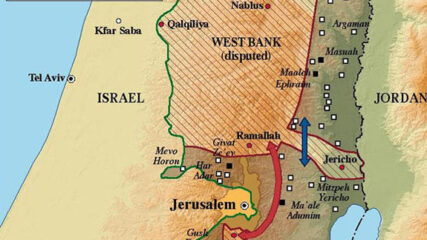
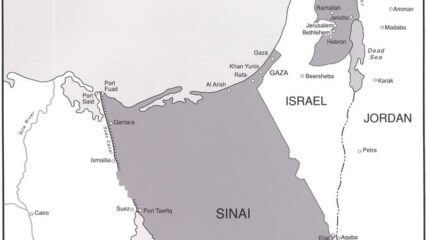
Yigal Allon’s plan for handling the areas captured from Jordan during the just-completed Six-Day War reflects Israel’s previous border vulnerability and seeks a West Bank arrangement that is not a strategic or geographic threat.

Natan Alterman, “Victory as a Scapegoat,” Maariv, 1969

Natan Alterman, “Victory as a Scapegoat,” Maariv, 1969

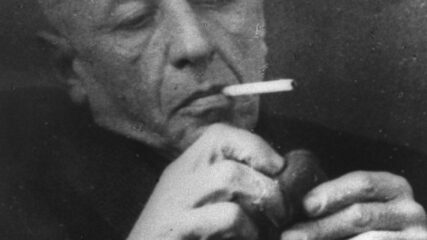
One of Israel’s greatest writers, Natan Alterman, reminded Israel’s accusers in 1969 that well into the 20th century the Palestinians did not even understand themselves as a separate people with a distinctive national identity marking them off from other Arabs. His argument, if framed as a question, might be formulated along these lines: If no one else, not least the Palestinians’ ancestors, saw their distinctive nation in Ottoman Palestine, how can the Zionists be blamed for not seeing one either? Thus, to fault the Zionists for failing to see what was not yet visible to anyone else, including the Palestinians, is to fault them not for suffering from blindness, but for lacking clairvoyance.

Documents and Sources|December 26, 1969